x





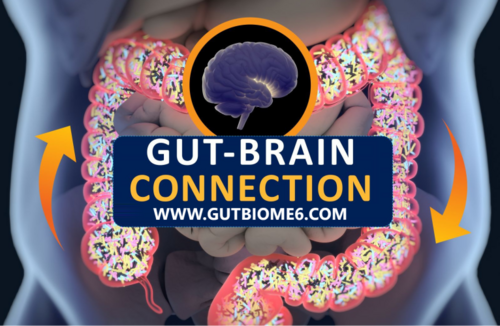
The idea that your gut and your mental health are connected may not seem to make sense at first glance. But the gut plays a major role in producing serotonin, a neurotransmitter that affects mood. GABA and tyrosine (which forms dopamine) are also produced in the gut. If the gut can’t make a sufficient supply of neurotransmitters, there can be noticeable mood impacts.
The same microbiome imbalances that affect neurotransmitter production can affect digestion as well. In fact, for many years doctors have noted an overlap between mental health conditions and digestive conditions. It's not unusual to hear individuals mention stomach discomfort alongside feelings of anxiety or upset. People talk about feeling sick about bad news, or worrying that they might throw up from nerves in a tense situation. Doctors have also noted a correlation between people with clinical mental health symptoms and people with clinical digestive health symptoms.
There is certainly a connection between feelings generated from the brain and feelings generated from the gut. It isn't entirely clear if depression and anxiety disorders cause gastrointestinal (GI) tract problems, or if GI tract issues contribute to mood disorders but the connection is undeniable.
Researchers are beginning to explore whether treating the gut can change mental health. One study from 2016 showed that changing the gut microbiome of mice can produce depressive behavior. Researchers took the gut flora from people with major depression disorder and transferred them to mice. The mice with the "depression microbiota" started showing more anxiety and depression behaviors. The study authors concluded that the balance of the gut microbiome could affect mental health.
Other studies address the problem in reverse: Instead of trying to induce depression by changing gut bacteria, researchers try to improve mental health conditions by introducing better balance to the gut flora via probiotics. A recent review of the scientific literature points out benefits of probiotics for people with depression, anxiety, Alzheimer's, and autism.
The potential for probiotic supplements to affect mood and behavior may mean that individuals with depression, anxiety, or neurological conditions can use probiotics to improve their mental health.