x





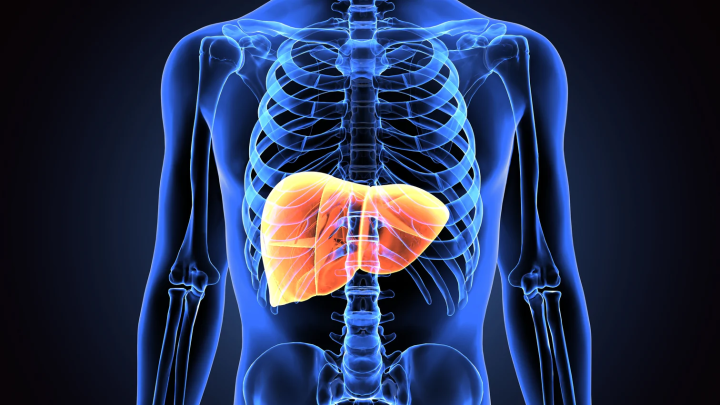
The gut and liver connection is referred to as the gut-liver axis. The gut and the liver are connected because they are anatomically close to each other. There is also a functional connection between the lining of the intestines and the liver through the portal system.This makes a healthy liver a vital part of your gut health and your overall well-being.
The liver has numerous biochemical functions that keep the body healthy, which makes it very important to keep the liver healthy with good lifestyle choices. In fact, the liver is the one organ that can repair itself and even regenerate new tissue, if it is healthy.
When the liver becomes damaged, several enzymes leak from the liver cells and circulate in the bloodstream. These enzymes appear in a blood test and can alert the physician to possible liver damage. Other tests can tell if certain damage has been done by measuring immune responses. These are called “markers” because evaluating these components in the blood can tell the physician what is going on in the body.
Fatty liver disease is a result of excess dietary sugar because the body turns the sugar it does not utilize into fat and the liver starts storing this fat in the cells. Storing this fat is harmful to the mechanics of the liver cells and eventually leads to fatty liver disease. The liver begins producing connective tissue, which overtakes the organ and is called cirrhosis or fibrosis. The veins and blood vessels become obstructed, there is no blood flow to the liver cells and the liver can eventually shut down.
Nonalcoholic fatty liver disease is the most common liver disorder in the world. If liver damage continues, the fatty liver can turn into hepatitis, cirrhosis and severe mutations in the liver tissue.
Lifestyle modifications are the only established treatment for nonalcoholic fatty liver. One of the adverse conditions leading to nonalcoholic fatty liver is associated with overgrowth in the small intestine of unfriendly microbes and increased intestinal permeability. Harmful gut microbes produce ethanol and lipopolysaccharides, causing severe oxidative stress and increased inflammation, leading to the fatty liver disease process.
Because of the known connection between the liver and the gut, a group of scientists recently conducted a study to evaluate the effects of taking a prebiotic and probiotic dietary supplement on subjects who were diagnosed with nonalcoholic fatty liver.
52 subjects were randomized to take the dietary supplement or placebo twice daily for 28 weeks. Liver enzymes (markers of liver damage), inflammation markers such as C-reactive protein, tumor necrosis factor, and a fibrosis score were among the tests performed on both groups. Subjects were advised to follow an energy balanced diet and physical activity recommendations.
The results showed the group receiving the prebiotic and probiotic supplement had improved liver enzyme scores, improved C-reactive protein scores, improved tumor necrosis factor and improved fibrosis scores. These scores were statistically significant in their improved outcomes as compared to the group receiving the placebo.
The supplement supported the reduction in many markers of inflammation and reduced the liver enzymes showing an improved condition of the liver in this preliminary study.
Part of the benefit of taking a good probiotic supplement is that the good bacteria can colonize the GI tract. Both good and bad bacteria compete for nutrients and when an individual continues taking good microbes, they begin to dominate the population, pushing the harmful microbes out.
This is similar to weeding your garden. When you remove the weeds, there is more water, nutrients and sunshine for the types of plants you want to grow. As the good plants take hold, there is less room for the harmful weeds and they die off. Prebiotics such as fructooligosaccharides are important to feed particular bacteria in the colon area to keep good microbes inhabiting the colon.
A healthy liver is a key to your well-being. Here are ten tips that can support your liver and improve your overall health: