x






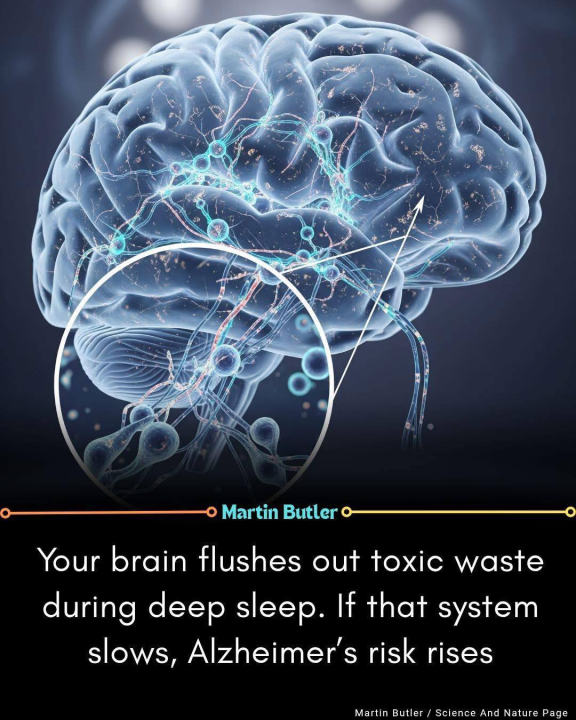
The Glymphatic System: How Your Brain Cleans Itself While You Sleep
The human brain has its own version of a sewage system—and it activates when you sleep. Known as the glymphatic system, this network clears away metabolic waste and toxic proteins that accumulate during waking hours, including beta-amyloid—the protein heavily linked to Alzheimer’s disease.
Discovered only in the past decade, the glymphatic system relies on cerebrospinal fluid that circulates through channels formed by glial cells. This fluid flushes through brain tissue, especially during deep sleep, removing harmful substances that would otherwise build up and damage neurons.
Researchers at the University of Rochester, along with NIH collaborators, found that the system is most active during non-REM sleep—when the brain is in its slow-wave state. During this time, brain cells contract slightly, increasing the interstitial space between them and allowing waste to be more effectively drained.
With age, however, the efficiency of this system declines. This may explain the strong correlation between poor sleep, aging, and neurodegenerative conditions like Alzheimer’s and Parkinson’s.
But there’s hope. Studies suggest that improving sleep quality, staying well-hydrated, and reducing chronic inflammation can enhance glymphatic flow. New therapies under investigation include focused ultrasound, brainwave entrainment, and certain sleep-promoting medications designed to optimize fluid clearance.
More fascinating still, this system seems to have daily rhythms tied to our circadian clock—another reason why sleep consistency matters as much as duration. Even short-term disruptions can impair waste clearance, affecting memory, mood, and cognition.
In the future, we may be able to map glymphatic health as a biomarker for cognitive decline and personalize interventions for neuroprotection. Until then, the best prescription is simple: sleep well, every night. Your brain depends on it.
Need Help With Sleep: We Have A Patch For That