x






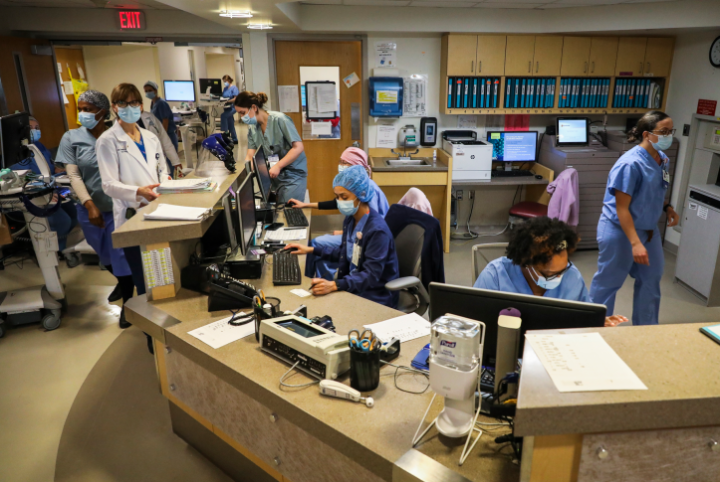
The rising cost of health care has outpaced wage growth, placing increasing financial pressure on individuals, families, and employers, and crowding out investment in other public services. Over the past decade, health care spending in the private market has grown faster than spending by Medicare and Medicaid. This trend is expected to continue, pushing states to focus on slowing the rate of spending growth and making health care more affordable.
To identify and understand cost-containment opportunities, we interviewed officials in 11 states,* selected because of their engagement on health care affordability, as well as variation in terms of population size and geography. Across the states interviewed, hospital and prescription drug costs emerged as priorities, with states indicating that progress in curbing costs and improving affordability will require focusing on these issues.
State-level data confirm that hospital and pharmaceutical spending have been major drivers of spending growth across both public and private markets. State and national data also show that price increases — not increased utilization — have propelled the high spending rates.
While states stressed pharmaceutical spending as a key cost growth driver and affordability concern for consumers, they also acknowledged the political challenges associated with addressing this area because of the influence of the pharmaceutical industry. Like hospitals, pharmaceutical companies are large employers — and significant political donors. States that identify as hubs of innovation in pharmaceuticals and biotechnology must additionally balance those interests in policymaking.
Despite these challenges, states expressed interest in engaging with other states to develop and pursue strategies to slow pharmaceutical spending growth.