x




Dogs can react to new and surprising things in different ways. “Fear is a normal response for any pet faced with new, startling or unexpected events,” says behavior scientist Dr. Ragen T.S. McGowan, PhD.
“Anxiety occurs when pets are in a chronic state of worry that something negative is going to happen, even well in advance of an actual threat,” she explains. So, strategies for calming your dog can vary depending on the cause, symptoms and their past experiences.
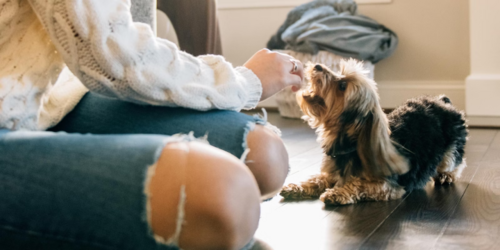
In many cases, additional training through positive reinforcement with treats can help. In others, you may need to try tactics like behavior modification, supplements or medication.
If your dog has anxiety, there are different strategies you can use to help him cope. The strategies you use may depend on the type of anxiety your dog has.
There are many forms of anxiety including social (e.g., fear of strangers), non-social (e.g., fear of loud noises), or separation anxiety (e.g., distressed when separated from their social companions). Understanding the type of triggers for your pet’s anxiety is important in deciding what to try to help your dog cope.
If your dog is reactive to strangers, you might try having friends come by with treats in hand to practice with your dog meeting new people. For dogs who are reactive to loud noises, try introducing those noises starting at a low volume during positive experiences like play or mealtime.
Dogs who are nervous at the veterinarian’s office may benefit from visiting the office for a play session. “It is important to identify the unique triggers for your dog and try to create positive experiences around them,” suggests Dr. McGowan.
Separation anxiety is another common stressor for many dogs. “Creating a predictable routine for your dog to understand when to expect you to be gone and when you will come back can go a long way in helping with separation anxiety,” says Dr. McGowan.
“It is important for your dog to learn it is okay to be alone,” she adds. Try creating some artificial separation even when you are home by closing a door or creating a safe space where your dog can be alone for a bit while you are home. “Make sure to provide your dog with something to do in your absence, like treat stuffed toys or puzzles to keep them occupied,” suggests Dr. McGowan.
Anxiety is common in very young and very old pets. “Puppies require ample socialization during critical developmental windows when they are most receptive to learning about their surroundings and learning the skills to cope with stressors,” says Dr. McGowan.
Senior dogs may have declined cognitive function, which can affect their memories, perception and more. “Senior dogs suffering from cognitive decline can start to forget things about their surroundings or family members, and this can lead to anxiety,” she says. Additionally, many older dogs experience some level of vision or hearing loss, which can heighten feelings of anxiety.
Anxious, scared dogs may react differently in different situations and to various stimuli. If you notice any of the following behaviors, it’s a good idea to talk with your vet to find the cause and come up with a plan to help calm your anxious dog:
“Just like people, dogs have individual personalities or temperaments,” says Dr. McGowan. “Anxious dogs will always have an underlying level of anxiety, but we can help them learn the skills to cope with that anxiety and respond appropriately to stressors,” she adds.
One of the best ways to set your dog up for success is early and consistent training and socialization. Exposing your puppy or young dog to car rides, new people and places and more can help prevent him from being scared in those situations in the future.
“The key is to keep things positive and make even scary things part of a fun game with lots of treats and praise for your dog,” says Dr. McGowan. “Introduce your puppy to new things in stages and never force an interaction,” she adds. “Extra effort to keep things positive early on goes a long way in building your anxious dog’s confidence for the long term.”
If you’re working with an already-anxious dog, you may want to avoid the stimuli or situations that cause him fear for the time being and slowly build their confidence in these situations. Learning your dog’s cues can also help you avoid those situations or use it as a positive training moment.
Of course, regular exercise and complete and balanced nutrition are also key. Dogs who get regular physical exercise and mental stimulation can use these as outlets for their anxious tendencies. A senior dog food may help improve an older dog’s cognitive functioning, which can alleviate feelings of confusion and anxiety.
Your dog’s anxiety can be frustrating—for both him and you—but with consistent training and regular communication with your veterinarian, things can improve.