x






Various factors play a role when comparing the rates of metabolism in individuals who are preparing their own diets. For instance, a person who tends to eat more fibrous foods in his or her diet—such as whole grains, fruits and vegetables—will slow down the rate that sugar enters the bloodstream. This is related to the glycemic index.
Glycemic index is a measurement given to foods to indicate how quickly they turn into sugar after digestion. The glycemic index (GI) is a ranking of carbohydrates on a scale from 0 to 100 according to the extent to which they raise blood sugar levels after eating.
Foods with a high GI are those which are rapidly digested and absorbed and result in marked fluctuations in blood sugar levels. Low-GI foods, by virtue of their slow digestion and absorption, produce gradual rises in blood sugar and insulin levels, and have proven benefits for health.
Low GI diets have been shown to improve both glucose and lipid levels in people with diabetes (type 1 and type 2). They have benefits for weight control because they help control appetite and delay hunger. Low GI diets also reduce insulin levels and insulin resistance.
For example, white bread, white rice, pasta, and potatoes turn quickly into blood glucose (sugar) after eating. The glycemic index of these foods is a greater number than foods that take longer to turn into sugar. Brown rice, whole wheat products and zucchini, for instance, have a lower glycemic index therefore will not raise or “spike” your blood glucose as quickly.
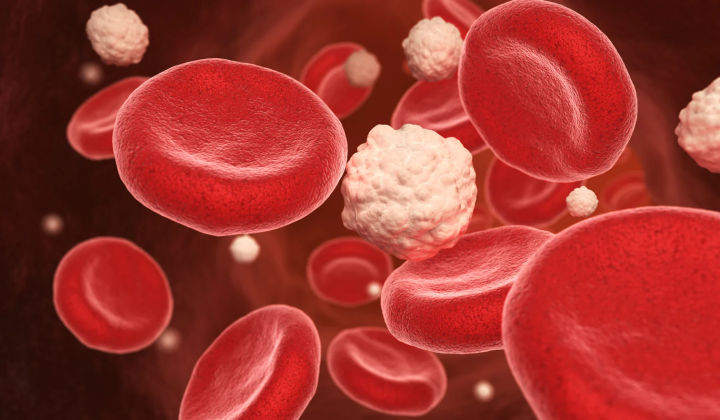
Sugar content, how fast it gets into the bloodstream and how concentrated it is when circulating the body can have damaging effects to blood vessels in the eyes, brain, kidneys, liver and other organ systems. The side effects of high levels of circulating glucose create harmful by-products that are severely damaging to the body.
Based on the glycemic index, the lower the numbers, the slower the food turns into sugar. “Slow sugars” keep the blood glucose at normal levels and can be properly absorbed by the cells with the help of normal insulin levels. Here are some ways to help keep blood sugar levels even:
Add exercise to your lifestyle (walking, swimming, yoga, dancing, sports, etc.).
It was shown in a recent pilot study (although results are inconclusive) that LAMININE may help to support the maintenance of normal healthy blood sugar levels.
Participants with High-Normal Blood Sugar supplemented for 12 weeks with one Laminine capsule twice daily, once in the morning and once in the evening, showed statistical significance in blood sugar down-regulation (n=4)
DIGESTIVE+++ contains prebiotics (short-chained Fructooligosaccharides, Jerusalem artichoke, Dandelion leaves and Yacon root). A true prebiotic is a plant substance that is not easily digested and reaches the lower gastrointestinal tract and colon for its availability to help feed and colonize beneficial microbiota there. They are now correlated with positive changes in several physiological functions:
With so many benefits, we recommend adding DIGESTIVE+++ to your daily regimen by taking one softgel with meals, once or twice daily.