x






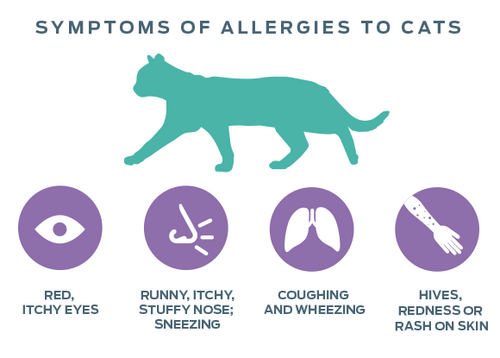
Although currently published guidelines1 recommend removing the cat from the home as a primary means of managing these allergies, this recommendation is often met with resistance because cat owners consider their cats as members of the family. Allergic cat owners often go to great lengths to find solutions that allow them to keep their cats.
When cats were fed a diet egg product ingredient containing anti-Fel d 1 IgY, the levels of active Fel d 1 in their saliva and on their hair were significantly reduced. This will ultimately reduce active Fel d 1 levels in the environment, which may reduce symptoms in allergic people
In a crossover study using individual environmental exposure chambers, cat allergen-sensitized human participants were exposed to hair and dander from cats fed either a control diet or a test diet (control diet with added egg product ingredient containing anti-Fel d 1 IgY).
When exposed to hair and dander from cats fed the test diet, the participants showed significantly reduced Total Nasal Symptom Scores and reductions in some ocular symptoms compared to their experience when exposed to hair and dander from cats that weren’t fed the diet with the ingredient.
This new approach, which results from more than a decade of investigation, offers allergic cat owners the opportunity to spend more quality time with their feline companions. It also offers healthcare providers an opportunity to reframe their conversations with cat-allergic patients, allowing a focus on proactive measures without the emotional toll associated with recommending the removal of a cat from the home.