In the first quarter of 2023, household debt in America rose to $17.05 trillion, representing a precipitous increase over the last decade. In part, rising debt can be attributed to cost growth outpacing income growth which requires many Americans to borrow more to pay for housing, higher education and consumer goods. For example, one study found that college costs have increased by almost 170% since 1980, while the average earnings for young adults (aged 22-27) has only increased by 19%. Middle class Americans are shouldering much of this debt, and many are living paycheck to paycheck.
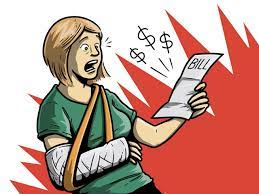
Medical debt, a consequence of patients not paying some or all of their health care bills, is one type of debt held by many Americans. While health insurance is intended to be the primary mechanism protecting patients from unexpected and unaffordable health care costs, for too many, that coverage is either unavailable or falling short.
Trends in health insurance coverage are driving an increase in medical debt: these include inadequate enrollment in comprehensive health care coverage and high-deductible and skinny health plans that intentionally push more costs onto patients. These gaps in coverage leave individuals financially vulnerable when seeking medical care.
- There are still too many uninsured Americans. Affordable, comprehensive health care coverage is the most important protection against medical debt. While the U.S. health care system has achieved higher rates of coverage over the past decade, gaps remain, and big new threats are on the horizon. One of the persistent gaps is the decision by some states to not expand Medicaid, and the most imminent threat is the potential loss of Medicaid coverage for millions of people across the country as the COVID-19 public health emergency ends.
- High-deductibles subject many Americans to cost-sharing they cannot afford. High-deductible plans are specifically designed to increase patients’ financial exposure through high cost-sharing in exchange for lower monthly premiums. Yet many individuals enrolled in high-deductible plans find they cannot manage what their health plan requires they pay. A recent Federal Reserve report found that 37% of adults would not be able to afford a $400 emergency, an amount $1,000 less than the average general annual deductible for single, employer-sponsored coverage.
- Skinny health plans provide inadequate benefits and frequently lead to surprise gaps in coverage. Short-term, limited-duration health plans and health sharing ministries cover fewer benefits and include few to no consumer protections, such as required coverage of pre-existing conditions and limits on out-of-pocket costs. Patients with these types of plans often find themselves responsible for their entire medical bill without any help from their health plan, including for critical services such as emergency medical and oncology care. These denials can lead to accumulating significant medical debt.
There is A Better Alternative than Health Insurance