x




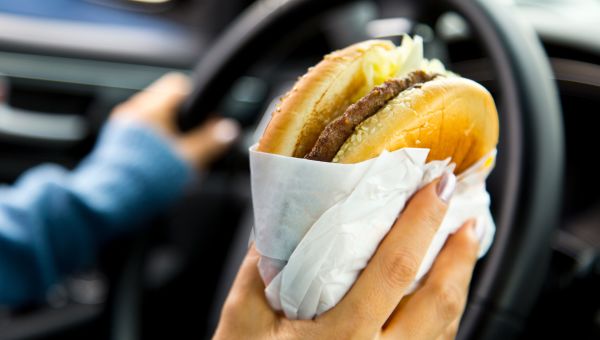
On the way home from the mall, did you swing into the drive-thru for a quick pick-me-up or a bucket of dinner for your family? Seemed harmless enough. After all, you tell yourself, you got tacos that are kind of healthy (see that lettuce and tomato?)—and chicken is supposed to be better for you than beef. Sure, your doctor has suggested you lose five to 10 percent of your body weight to help get your type 2 diabetes under control, but you didn’t have time for lunch and you were starving. You can have a few extra calories, right? You’ll even have a diet soda.
The link between fast food and type 2 diabetes
Millions of times a day people in the U.S. talk themselves into the ok-ness of fast food and miss the opportunity to upgrade their health. Maybe you did, too. After all, American fast food restaurants serve 50 million customers daily. But that comes at a price: The Centers for Disease Control and Prevention looked at the relationship between weight and fast food consumption and found that in every age group, obese people consumed the most fast food.
Another study found eating fast foods two or more times a week doubles the incidence of insulin resistance—a precursor to type 2 diabetes. Research indicates this is a result of huge portion sizes leading to excess calorie consumption, as well as the prevalence of foods with low nutritional levels and high glycemic loads, saturated fats, unhealthy chemicals like emulsifiers and added syrups and sugars (even in the burger buns!).
Western-style foods and obesity
Obesity is swamping the globe and the U.S. is leading the way—at home and through export of its fast food empires to countries with burgeoning obesity rates, including Brazil, Indonesia, China, Mexico, India and Ghana.
From 1980 to 2015, the percent of the US population (kids and adults) that were obese jumped 16 percent—to 26.5 percent. That is the largest percentile rise over those years of any country in the world according to a study published July of 2017 in the New England Journal of Medicine titled “Health Effects of Overweight and Obesity in 195 Countries over 25 Years.”
And if you’re still hoping to find some way to rationalize that slippery slider and side of cheese fries, sorry. In countries around the world that had no fast foods and very little obesity, the arrival of fast foods is right in step with the arrival of obesity. In a remarkable series of articles looking at obesity and fast food around the world, The New York Times points out that Ghana’s obesity rates have surged more than 650 percent since 1980, from less than two percent of the population to 13.6 percent. And that, say researchers, parallels the arrival of Western style foods and fast foods.
Just as alarming, no country has reduced their obesity levels! There hasn’t been an organized health initiative to tackle this problem effectively.
Meal prepping for weight loss
So, let’s take the challenge, America. Now. With your next bite. For your health. For your kids’ health. For the future. Vow today, “I’ll make breakfast at home; pack a lunch for work; cook dinner tonight. I can do it.”
Aging = Muscle Loss = Disease Are You At RISK Learn More