x






While having health insurance is necessary, the coverage itself is meaningless if rural communities lack an adequate health system, composed of doctors, pharmacies, and hospitals. In the U.S., there are over 4,000 rural areas with a shortage of primary care health professionals. Rural Americans are among the least likely to have adequate access to care compared to their counterparts in other countries. While the physician shortage is a global problem, some countries have made efforts to combat it. In the U.K, for example, one study found most rural residents have long commutes to their doctor offices. As a result, community pharmacies have been established throughout rural areas that allow patients to get same-day care for minor illnesses through the pharmacist. As a result, patients have greater access to primary care and can be treated more conveniently.
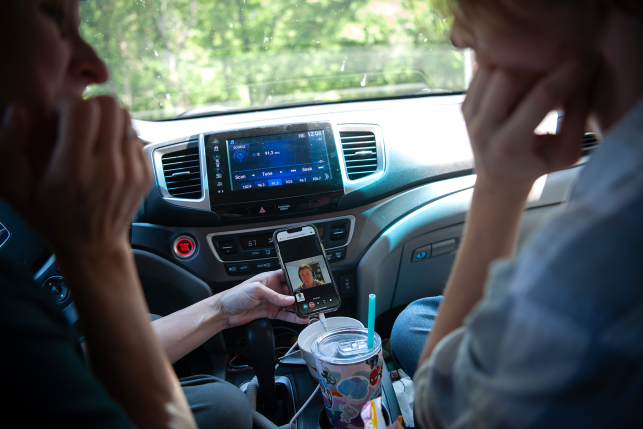
Use telehealth. Canada, which does not have significant disparities in health and health care between rural and urban residents, has used telehealth to reach more remote populations. Primary care physicians there are more likely to be satisfied with delivering care virtually compared to U.S. physicians, and there has been increased demand for telehealth use by physicians and the Canadian Medical Association Virtual Care Task Force. Canadian physicians have called for more training and payment models to support delivering care through telehealth. In the U.S., providing adequate care through telehealth is a continuous challenge as providers face reimbursement issues, which vary based on insurance type and state requirements. In addition, many rural communities lack access to the technology needed to effectively use telehealth services. While one study found that people in rural America are satisfied with telehealth, they are also more likely to report having technical problems accessing telehealth compared to those in nonrural areas.