x





Follow these four timeless tips!
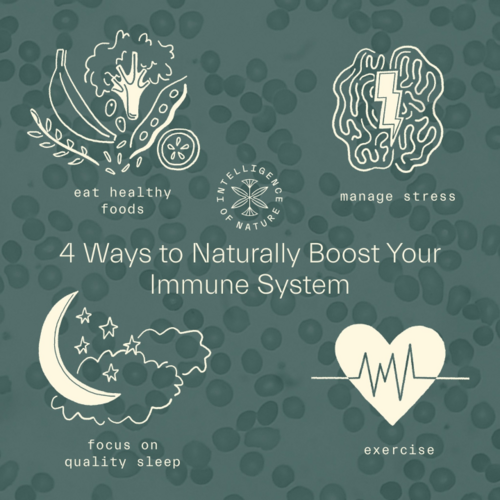
Eat healthy, specifically plant-based foods which are key to keeping your immune system in tip-top shape. Carrots, broccoli, spinach, red bell peppers, cruciferous vegetables, citrus fruits, and nuts will help provide essential vitamins and minerals such as zinc, folate, iron, selenium, copper, and vitamins A, C, E, B6, and B12. Additionally, spices like clove, oregano, thyme, cinnamon, and cumin contain antiviral and antimicrobial properties that prevent the growth of food-spoiling bacteria, harmful fungi, and antibiotic-resistant microorganisms.
Manage stress. Long-term stress leads to chronically elevated levels of the steroid hormone, cortisol, which when constantly high, essentially blocks the immune system from working and doing its job to protect the body against potential viruses. It's important to practice some kind of stress-mitigation every day such as meditation, journaling, or drawing.
Focus on quality sleep. "When you are sleeping your body produces and distributes key immune cells like cytokines (a type of protein that can either fight or promote inflammation), T cells (a type of white blood cell that regulates immune response), and interleukin 12 (a pro-inflammatory cytokine)." When you don’t receive adequate sleep, your immune system may not do these things, which can make your body less able to fight against harmful invaders. Additionally, sleep deprivation can also elevate cortisol levels.
Moderate aerobic exercise of 150 minutes per week (or 75 minutes of high-intensity aerobic exercise) is shown to have both physical and mental health benefits. Exercising, especially in nature, has been shown to support mood, lower blood pressure, reduce inflammation, manage stress, and support immune system health. Studies suggest that bouts of physical activity may make your immune system more vigilant by distributing immune cells throughout your body to look for damaged or infected cells. Support Your gut - brain health today