x





Over the last century, the human lifespan has undergone dramatic changes. At the start of the 20th century, the average lifespan at birth for women and men in the United States was 50 years. In 2021, the average life expectancy is around 77 years. This increasing lifespan trend is expected to continue rising to an average of 85 years by 2125. It is important to note that this change is primarily driven by a reduction in early morbidity rates rather than an extension of maximum lifespan. Due to this, many more individuals live longer lives during a period where they can be classified as older adults. Presently, 13% of the United States population is comprised of individuals over 65 years of age, compared to 4% in 1900 . Therefore, it is important to discuss research related to the effects of aging on physiology and metabolism to promote public health policies and practices that benefit older individuals.
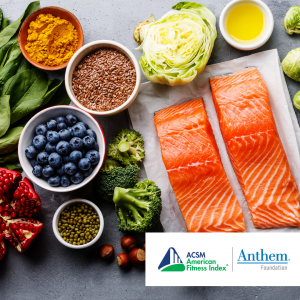
Good nutrition is essential regardless of an individuals age because it may help prevent diseases such as osteoporosis,high blood pressure, heart diseases,type 2 diabetes and certain cancers. However, good nutrition may be even more important in older individuals due to changes in energy intake and energy expenditure with age. The impairments in energy balance can be mediated by several factors such as reduced hunger and increased satiety, changes in blood sugar concentrations, impairments in hormone production, changes in taste and smell, reduced dietary variety and medical and social factors. Furthermore, with increasing age, researchers have also observed a decline in the amount of energy used while the body is at rest and the amount of energy used for digestion, absorption and storage of consumed foods. Taken together, these changes in metabolism that occur as we age call for effective nutritional strategies that help older individuals stay healthy with aging.