x





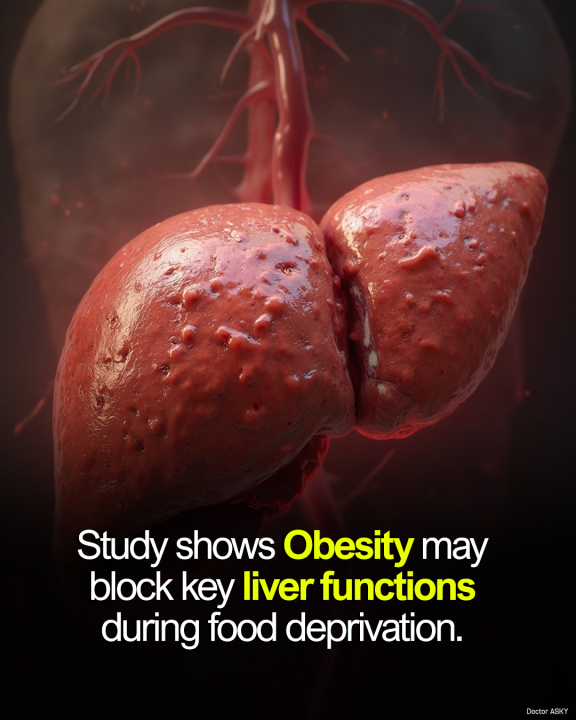
Obesity doesn’t just affect how our body stores fat—it also disrupts the natural rhythm of how our organs respond to starvation. Researchers from the University of Tokyo have uncovered a striking difference in how the livers of obese mice react to fasting compared to healthy mice. While the overall structure of the molecular network inside liver cells remains intact, the timing of key metabolic responses is thrown off in obesity. This disruption in timing, or temporal coordination, may explain why obesity is linked to so many metabolic diseases, even when the basic cellular machinery appears to be functioning normally.
In healthy mice, molecules involved in energy regulation—like ATP and AMP—are quickly activated in a specific order when food is withheld. This orchestrated response helps the liver adapt efficiently to a lack of nutrients. However, in obese mice, this precise rhythm breaks down. The same molecules no longer respond in sync, leading to a sluggish or confused metabolic response during starvation. This doesn’t mean the network is broken—it’s still structurally sound—but its timing is off, and that alone can have serious consequences.
This is a big deal in biology because capturing the role of timing—how molecules interact not just spatially but over time—is a complex and underexplored frontier. By analyzing both the structure and the timing of molecular activity, the research team has opened a new window into understanding how obesity interferes with fundamental bodily processes. Their approach could be extended to study how the body handles eating, inflammation, or even disease progression. It also adds to the growing evidence that obesity can affect the body in subtle but harmful ways, beyond what we can see in scans or lab reports.
This research offers a more detailed picture of how obesity changes our internal biology and may eventually help in designing treatments that don’t just fix molecular pathways but also restore their natural rhythm. Fight Back Today at www.bovinebob.com