x





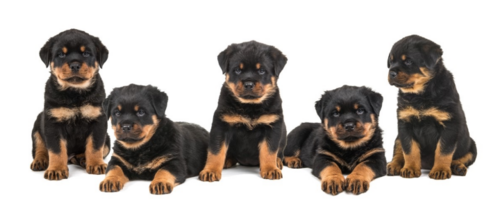
Parvovirus is extremely harmful to dogs. In most cases, it attacks their gastrointestinal tract and immune system. Because they have a weak and underdeveloped immune system, this highly contagious virus is most common in young puppies. It is very difficult for them to fight off Parvovirus, and in some cases can lead to death. For the first four months in a puppy’s life, they are highly susceptible to this virus, and it is important that we know what preventative measures to follow to keep them healthy and safe.
The most obvious action in prevention is to keep puppies up to date on their vaccinations. Unfortunately, it isn’t quite as simple as that. There is a gap in puppy’s immune protection, or a “window of susceptibility”. This is a period when the antibodies passed to them from their mother are too strong to allow vaccinations to work, but not strong enough to fight off disease. This typically occurs after they are several weeks old. Once maternal antibodies are low enough in a puppy, immunity can be produced through vaccinating. It’s hard to pinpoint the exact age a puppy will respond to vaccination, but it typically occurs between 5 and 12 weeks old. With this significant time gap, we vaccinate puppies three times for Parvovirus. The three vaccinations should be given three to four weeks apart, beginning around 6 weeks old, with the last vaccination at 14 to 16 weeks old.
Because there is no guaranteed prevention for Parvovirus, it’s important we know what symptoms to watch for. Symptoms for this deadly disease include:
-Bloody diarrhea
-Vomiting
-Loss of appetite
-Rapid weight loss
-Fever
-Lethargy, or lack of energy
-Malaise and discomfort
If you notice any of these symptoms, it is important to get your veterinarian involved as soon as possible. Parvovirus is difficult to treat, so it’s important to act fast if your dog is showing any of these symptoms.
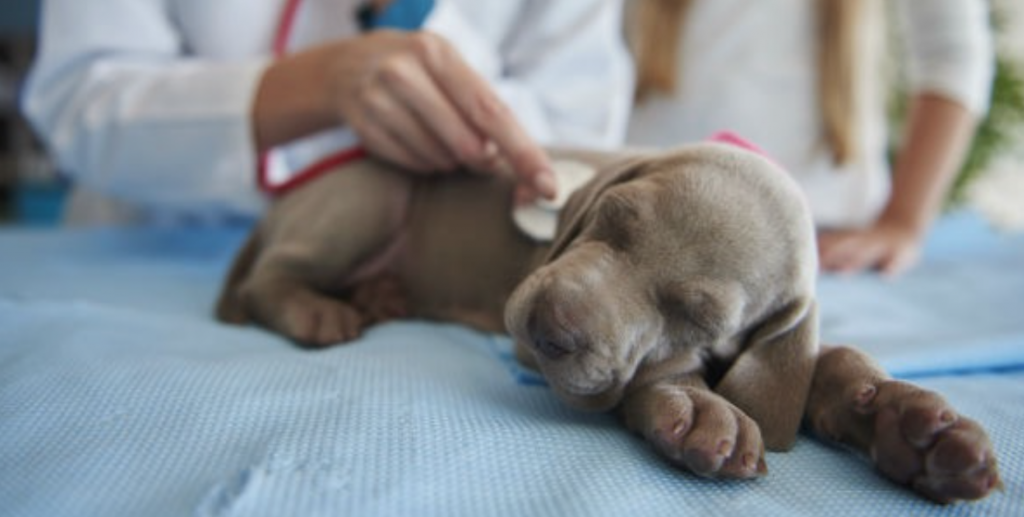
Treatment for Parvovirus can be complicated. In most cases, all that can be done is to provide immune support and keep the dog hydrated. This will hopefully allow the dog a chance to fight off the virus and return back to normal. Often, you’ll see the following treatments administered to “Parvo puppies”:
-IV fluids
-Antibiotics
-Probiotics
-Injectable Vitamins B & C
-Colostrum
The use of supplemental colostrum has become a popular and extremely beneficial tool in treating Parvovirus. Canine6, a whole bovine colostrum product, has helped many puppies suffering from Parvovirus. Containing five antibodies, puppies receive an immune boost as well as gastrointestinal growth factors. Canine6allows Parvo puppies to regain their appetite for both food and water, and multiplies their chances of a full recovery.
As a fellow dog lover, I know we always want to do what is best for our favorite furry friends. Parvovirus is not anything a new puppy owner wants to go through, but unfortunately it can happen. Hopefully you now have the tools and knowledge to go with confidence into puppy land!