x






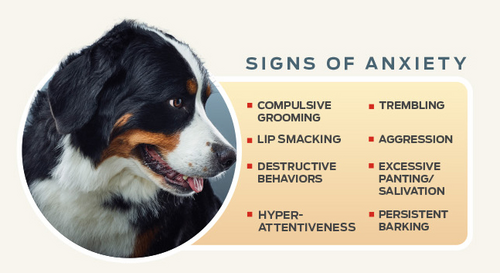
Pet owners may not recognize all signs of fear and anxiety, or may only reach out once the problem has escalated to the point of crisis
Up to 70% of behavioral disorders in dogs can be attributed to some form of anxiety, and behavioral disorders are key reasons given for relinquishing pets to shelters.
Anxiety can result in physiological and behavioral effects, such as increased susceptibility to illness higher heart rates, gastrointestinal disturbances, pacing or circling, or changes in appetite.
Stress can also affect the pet’s mental and social well-being, leading to the development of chronic frustration and social phobias.
In a blinded, crossover study, scientists discovered that dogs supplemented with Bovine Colostrm6 showed significant reductions in displaying anxious behaviors, when compared with dogs fed a placebo. A majority of the dogs studied also showed lower heart rates and salivary cortisol levels.
From both a behavioral and physiological standpoint, B. longum had anxiety-reducing effects on anxious dogs.