x




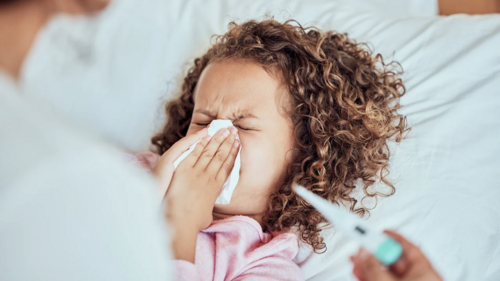
As a parent, you never want your kids to get sick. But it happens — and probably more often than you'd like — especially during the fall and winter. This is the time of year when illnesses like the common cold, influenza (flu), respiratory syncytial virus (RSV) and other viruses are widely circulating.
Many respiratory illnesses in children have similar symptoms, which means it can be difficult to distinguish between the flu vs. COVID-19 vs. colds. But there are some subtle differences between these viruses. Children’s Hospital Colorado pediatric infectious disease specialist Samuel Dominguez, MD, PhD, offers guidance on common respiratory illnesses in kids, how to prevent them and what you should do if your child gets sick.
The best way to prevent getting sick with , RSV, flu or any other respiratory illness is to follow these healthy habits to stop germs from spreading
Even with precautions, it’s likely that your family will catch a virus during cold and flu season, so it’s important to be prepared and recognize the differences between these common illnesses.
Influenza (commonly known as the flu) is a highly contagious respiratory virus that is present year-round, but circulates widely in the fall and winter months, or cold and flu season. The flu causes cold-like symptoms that often come on suddenly and can range from mild to severe. Children under the age of 2, adults over age 65, pregnant and postpartum women, people taking certain medications and those with chronic medical conditions, including lung or heart conditions, can develop severe or life-threatening complications from the flu.
Some of the primary symptoms of the flu overlap with symptoms of COVID-19, making it difficult to distinguish between the two illnesses. Fortunately, the accessibility of at-home COVID-19 tests can make it easy to determine if an individual is infected with COVID. If an individual is at high-risk for severe disease or would qualify for treatment, a flu test may also be recommended.
Influenza symptoms include:
Yes, the flu is always a concern, especially for those who are at a higher risk of severe disease from the virus, such as young infants, those who are immunocompromised or older adults. While it can be difficult to predict how severe the flu season will be, Dr. Dominguez says that there is evidence to suggest that the 2023-24 flu season