x



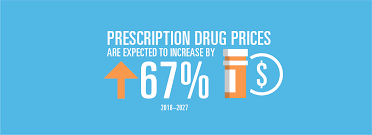
According to the Organisation for Economic Cooperation and Development (OECD), the average American spent about $1,226 on prescription drugs in 2019 (the most recent year with internationally comparable data). This per capita cost is significantly higher than other developed countries.
These costs could increase along with prescription drug spending. Prescription drug spending in the U.S. will grow by 6.1 percent each year through 2027, according to CMS estimates.
The spending growth is due in part to a continuing emphasis on specialty pharmaceuticals and precision medicine. Specialty drugs are often experimental therapies used to treat cancers, autoimmune diseases or chronic conditions. Some therapies utilize genetic data to deliver a highly targeted, personalized treatment.
There is A Better Way: https://blinq.me/kMPbizsPiYA2
The complex nature of these drugs makes them very costly to develop and distribute. A new specialty drug called Zolgensma is the most expensive drug ever approved by the Food and Drug Administration (FDA). This gene therapy costs $2.1 million for a one-time treatment. Only five healthcare providers submitted a claim for Zolgensma in 2021.
Drug pricing strategies also contribute to rising healthcare costs. Drug manufacturers establish a list price based on their product’s estimated value, and manufacturers can raise this list price as they see fit. In the United States, there are few regulations to prevent manufacturers from inflating drug prices in this way.