x




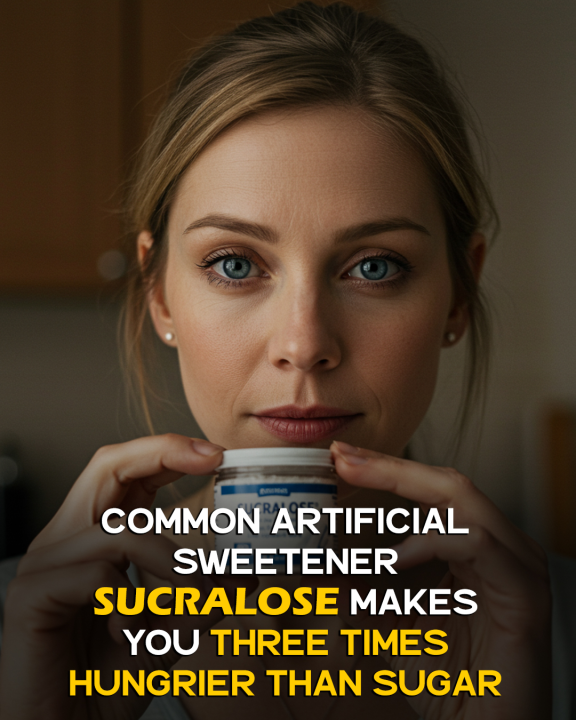
A recent study by the University of Southern California has uncovered how sucralose, an artificial sweetener, impacts appetite regulation by affecting the brain's hypothalamus. Published in Nature Metabolism, the study involved 75 participants who consumed water, sucralose-sweetened drinks, or regular sugar drinks. Researchers used fMRI brain scans, blood samples, and self-reported hunger ratings to analyze their responses.
The study found that sucralose increased hunger and brain activity in the hypothalamus, particularly in individuals with obesity. Unlike sugar, sucralose did not trigger the release of hormones like insulin and GLP-1, which signal fullness, potentially leaving users feeling hungrier. Sucralose also altered the communication between the hypothalamus and other brain areas involved in decision-making and sensory processing. Female participants showed stronger brain activity changes compared to males, suggesting gender differences in response.
These findings suggest that sucralose may interfere with appetite regulation, possibly leading to overeating. However, researchers noted that further studies are needed to explore the long-term effects of artificial sweeteners on weight and eating behaviors. The study highlights the potential impact of non-caloric sweeteners on appetite control and emphasizes the need for more research to understand their full implications. Take Care Of Your Brain Health The Natural Way at www.superbrainpower.org