x





Inflammation is the body’s natural response to a threat. Our immune system is triggered when it recognizes a foreign element, such as a microbe or a virus. Our body uses inflammation to heal itself and defend against invaders—this process is often characterized by some forms of pain, redness, or swelling.
It’s important to know that without inflammation infections could be deadly, so inflammation can be seen in a positive light—if it is short-term and the body is able to heal itself after a few days. Chronic inflammation, instead, is long term, recurrent, and persistent—and it happens even if your organism is not threatened by a foreign invader. In this case, the body sends a response to a threat that is perceived but that does not require an inflammatory response. Chronic inflammation can be seen as an immune system dysfunction because the immune system kicks into overdrive and won’t turn off, whether due to chronic conditions such as osteoarthritis, or due to an ability to distinguish between real and perceived threats.
Scientists are still working to understand all the effects of chronic inflammation, but it is clear that it has been linked to many diseases, including heart disease, diabetes, bone loss, depression, aggressive behavior, and even cancer. All these conditions can be affected by habits and/or environmental factors, such as excess weight, poor diet, lack of exercise, stress, smoking, pollution, poor oral health, and excessive alcohol consumption. Our life choices can impact our health deeply. One of the ways to fight chronic inflammation is through our diet. “Many experimental studies have shown that components of foods or beverages may have anti-inflammatory effects,” says Dr. Frank Hu, professor of nutrition and epidemiology in the Department of Nutrition at the Harvard School of Public Health.
When health experts speak of an “anti-inflammatory diet,” they hope to help people who suffer from chronic inflammation, but all can benefit from anti-inflammatory nutrients. Eating anti-inflammatory foods not only helps protect against certain diseases, but also slows the aging process by stabilizing blood sugar and increasing metabolism.
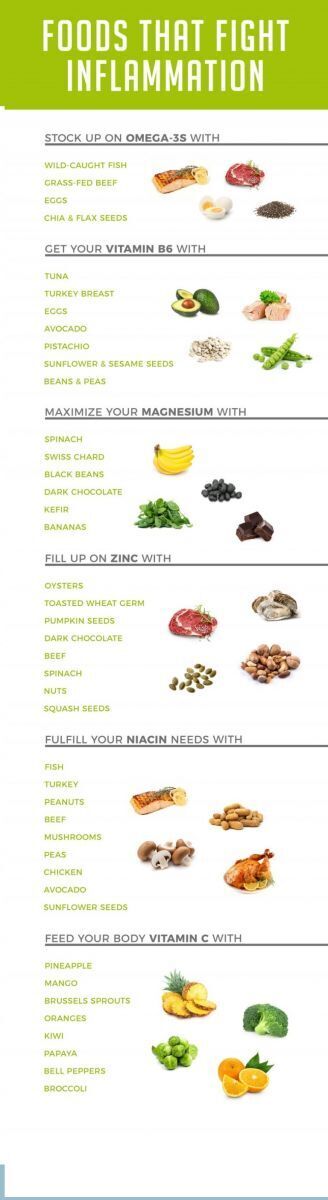
What are the foods that fight inflammation?
Research shows that omega-3 fatty acids reduce inflammation and may help lower risk of chronic diseases. Cold-water fish, such as salmon, herring, tuna, trout, and mackerel, are among the best sources of omega-3 fatty acids. Other foods high in omega-3 fatty acids include beans (navy, kidney, and soy), flax seeds, and walnuts.
Many of the aliments that are rich in omega-3 fatty acids, like cold-water fish and beans, are also excellent sources of amino acids, which also have strong anti-inflammatory properties. A diet that includes omega-3 fatty acids and protein lowers the risk of chronic diseases and enhances muscle growth and strength.
Crucifers refer to vegetables such as broccoli, cabbage, cauliflower, mustard greens, and Brussels sprouts, while alliums include garlic, scallions, onions, and leek. These foods have antioxidant properties and have been shown to lower the risk of cancer. If you like garlic, eating one clove per day is ideal—it might add an extra punch to many of your favorite meals.
A special place in your diet should go to avocados because they contain omega-3 fatty acids, and they also have antioxidant properties. A 2013 study in the journal Food & Function found that people who ate a hamburger with avocado had lower CRP (C-reactive protein) levels four hours after eating than those who did not.
The best sources of fiber include whole grains such as barley and oatmeal. The fiber in whole grains mediates inflammatory processes by helping with weight loss and feeding beneficial gut bacteria, according to the Arthritis Foundation. Vegetables like okra, eggplant, and onions, and a variety of fruits like bananas and blueberries are also excellent sources of fiber.
Oil is an essential ingredient in the kitchen, but you can choose a type of fat that brings health benefits, such as extra-virgin olive oil or avocado oil. Olive oil lowers the risk of heart disease by helping to reduce cholesterol level.
When cooking vegetables, consider adding spices like ginger, rosemary, turmeric, oregano, cayenne, cloves, and nutmeg, which have anti-inflammatory compounds. These spices add kick to your meal and are also good for your health.
It’s important to introduce healthy foods into your diet to fight chronic inflammation, but it’s also critical to avoid certain foods. An inflammation diet includes refined carbohydrates like white bread and pastries, fried foods, soda and all the sugar-sweetened beverages, and processed meat such as hot dogs. Foods that contribute to inflammation are considered bad for your health, as they are linked to chronic diseases such as type 2 diabetes and heart disease. Processed foods contain trans fats, which have higher levels of C-reactive protein, a cause of inflammation. It’s essential to read labels when you go grocery shopping—in 2006, the FDA required food manufacturers to identify trans fats on nutrition labels, so taking time to read the ingredients contained in the food you buy is crucial.
A healthy diet includes fish a couple of times a week, fiber every day, and plenty of fruits and vegetables. You should also limit the consumption of saturated fat to 10% of your daily calories. Snacking is a good habit—do it twice a day, and choose healthy foods like fruit, plain or unsweetened Greek-style yogurt, celery sticks, carrots, or nuts like pistachios, almonds, and walnuts. If your meals need extra sweetness, add naturally sweeten foods such as apples, apricots, berries, and carrots. Use spices that are known for their anti-inflammatory properties to add flavor.
AGING - MUSCLE LOSS - DISEASE ARE YOU AT RISK: LEARN MORE