x





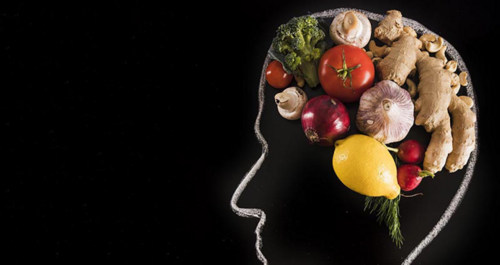
Your brain is mission control for your entire body. And just like the actual Mission Control center at NASA, your brain never takes time off. Even while you’re sleeping, it’s regulating your heartbeat, breathing, digestion, and dreams. While you’re awake, it’s processing all the sensory information you take in, helping you perform daily chores and tasks, and processing complex thoughts to keep you motivated and alive.
With all of this activity, your brain requires a lot of fuel, so the foods you choose to consume can make all the difference. To keep your brain in tip-top shape, eating high-quality foods that are rich in vitamins, minerals, and antioxidants is a must. These elements nourish the brain and help protect it from the waste produced by free radicals in the body.
The foods you eat can significantly impact your mood and the level of serotonin in the brain – the neurotransmitter responsible for regulating sleep, appetite, emotions, and pain level.
But where does serotonin come from?
We’re glad you asked! Much of the serotonin in your body (95%) is produced in the gastrointestinal tract. With hundreds of millions of nerve cells and neurons living in your gut, it should be no surprise that your stomach is directly responsible for guiding your emotions. The healthier and more nutritious your food choices, the happier your gut. The happier your gut, the happier your brain.
To further drive home the point that there’s a connection between food and your brain, Eva Selhub, MD, from the Harvard Health Blog writes, “Studies have compared ‘traditional’ diets, like the Mediterranean diet and the traditional Japanese diet, to a typical ‘Western’ diet and have shown that the risk of depression is 25% to 35% lower in those who eat a traditional diet.”
Traditional diets tend to be high in vegetables, fruits, unprocessed grains, and fish, incorporating modest amounts of lean meats and dairy. Furthermore, these traditional diets are entirely void of processed and refined foods and sugars – staples of the Western diet.
When you consider most of the foods on our store shelves, you have to wonder how nutritious they are and if they’re doing your body and brain any good. Unfortunately, foods and beverages high in fructose corn syrup are not hard to come by but should be avoided.
When you consume sugar, and it’s absorbed into the bloodstream via your gut, your body produces a surge of insulin. Insulin is a hormone that tells your cells to either use the sugar or store it. Most sugar gets stored as fat, so heavy consumption of processed foods and sugars can lead to obesity and other health issues.
Furthermore, excess sugar, fried foods, meats, and dairy products in your diet interact with proteins in your bloodstream, producing harmful compounds called AGEs (advanced glycation end products). AGEs contribute to blood vessel inflammation and can even cause strokes and other degenerative brain diseases.
To find a healthy balance between food and your brain, aim to limit your processed food and sugar intake. Instead, focus on fresh fruits and vegetables or even making the switch to a plant-based diet. Eating healthier foods will prevent inflammation and cognitive decline while maximizing your brain function –
If you’re not sure where to start, you might consider incorporating more Mediterranean-style dishes into your weekly routine.
Discover The Most Powerful SuperFood On The Planet