x






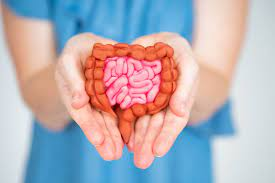
Have you ever considered the fact that the contents of the gut are technically outside the body? The gut is a hollow tube that passes from the mouth to the anus. Anything that goes in the mouth and isn’t digested will pass right out the other end. This is, in fact, one of the most important functions of the gut: to prevent foreign substances from entering the body.
When the intestinal barrier becomes permeable (i.e. “leaky gut syndrome”), large protein molecules escape into the bloodstream. Since these proteins don’t belong outside of the gut, the body mounts an immune response and attacks them. Studies show that these attacks play a role in the development of autoimmune diseases like Hashimoto’s and type 1 diabetes, among others.
In fact, experts in mucosal biology like Alessio Fasano now believe leaky gut is a precondition to developing autoimmunity: There is growing evidence that increased intestinal permeability plays a pathogenic role in various autoimmune diseases including [celiac disease] and [type 1 diabetes].
Therefore, we hypothesize that besides genetic and environmental factors, loss of intestinal barrier function is necessary to develop autoimmunity.
The phrase “leaky gut” used to be confined to the outer fringes of medicine, employed by alternative practitioners with letters like D.C., L.Ac and N.D. after their names. Conventional researchers and doctors originally scoffed at the idea that a leaky gut contributes to autoimmune problems, but now they’re eating their words. It has been repeatedly shown in several well-designed studies that the integrity of the intestinal barrier is a major factor in autoimmune disease.
This new theory holds that the intestinal barrier in large part determines whether we tolerate or react to toxic substances we ingest from the environment. The breach of the intestinal barrier (which is only possible with a “leaky gut”) by food toxins like gluten and chemicals like arsenic or BPA causes an immune response which affects not only the gut itself, but also other organs and tissues. These include the skeletal system, the
pancreas, the kidney, the liver and the brain.
This is a crucial point to understand: you don’t have to have gut symptoms to have a leaky gut. Leaky gut can manifest as skin problems like eczema or psoriasis, heart failure, autoimmune conditions affecting the thyroid (Hashimoto’s) or joints (rheumatoid arthritis), mental illness, autism spectrum disorder, depression and more.
Researchers have identified a protein called zonulin that increases intestinal permeability in humans and other animals. This led to a search of the medical literature for illnesses characterized by increased intestinal permeability (leaky gut). Imagine their surprise when the researchers found that many, if not most, autoimmune diseases – including celiac disease, type 1 diabetes, multiple sclerosis, rheumat id arthritis and inflammatory bowel disease – are characterized by abnormally high levels of zonulin and a leaky gut. In fact, researchers have found that they can induce type 1 diabetes almost immediately in animals by exposing them to zonulin. They develop a leaky gut, and begin producing antibodies to islet cells – which are responsible for making insulin.
One of the main reasons we don’t want to eat wheat and other gluten-containing grains is that they contain a protein called gliadin, which has been shown to increase zonulin production and thus directly contribute to leaky gut. But what else can cause leaky gut? In short, the same things I listed above that destroy our gut flora: poor diet, medications (antibiotics, NSAIDs, steroids, antacids, etc.), infections, stress, hormone imbalances, and neurological conditions (brain trauma, stroke and neurodegeneration).
LEAKY GUT = FATIGUED, INFLAMED AND DEPRESSED
Here’s the takeaway. Leaky gut and bad gut flora are common because of the modern lifestyle. If you have a leaky gut, you probably have bad gut flora, and vice versa. And when your gut flora and gut barrier are impaired, you will be inflamed. Period. This systemic inflammatory response then leads to the development of autoimmunity. And while leaky gut and bad gut flora may manifest as digestive trouble, in many people it does not. Instead it shows up as problems as diverse as heart failure, depression, brain fog, eczema/psoriasis and other skin conditions, metabolic problems like obesity and diabetes and allergies, asthma and other autoimmune diseases.
To adequately address these conditions, you must rebuild healthy gut flora and restore the integrity of your intestinal barrier. This is especially true if you have any kind of autoimmune disease, whether you experience digestive issues or not.