x





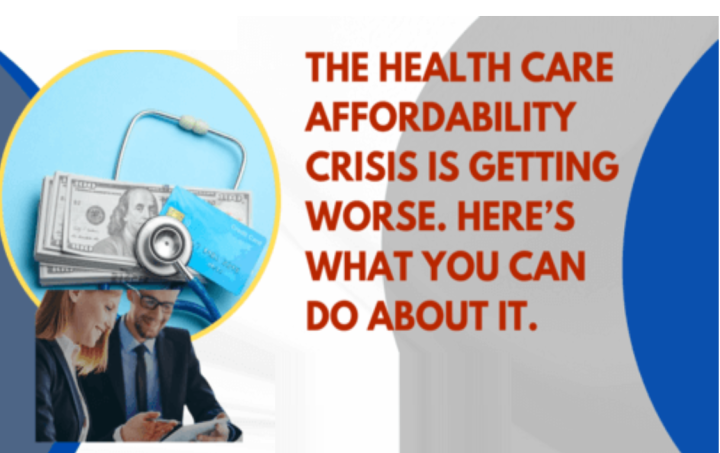
Healthcare affordability is getting increasingly out of reach for ordinary Americans. The combination of soaring premiums, high deductibles, copays, and exemptions is putting increasing strain on household budgets, and making it extraordinarily difficult for employers to remain competitive.
Too many Americans are burdened with medical debt and going bankrupt because of it—even with insurance.
In this evolving landscape, insurance alone isn’t enough. Families, employers, and policymakers need to start thinking creatively, and applying out-of-the-box solutions to help make quality healthcare accessible and affordable for all Americans.
Even with insurance, high deductibles, copays, coinsurance costs, and prescription drug costs create a massive obstacle between American families and the affordable healthcare they need.
For example, nearly 40% of insured Americans report putting off or skipping necessary treatments due to cost.
This shouldn’t come as a surprise. Inflation has run rampant in recent years, affecting everything from groceries to housing costs and transportation. Wages have not kept pace: Some 30% of Americans surveyed say they have difficulty affording essentials like food, utilities, and loan payments.
Today, more than 100 million Americans report carrying medical debt. And as many as 25% of all personal bankruptcies involve medical debt, along with other forms of debt.
This is a problem, because every medical debt that providers write off because consumers can’t pay has to be made up for somewhere—which ultimately increases medical costs on everybody else.
As the healthcare affordability crisis deepens, it is essential to understand the ripple effects of these cost-related challenges on individuals and their overall well-being.
The Cost of Healthcare Affordability Delays
Studies indicate that delays in care, whatever the cause, result in worsening health problems over time.
This, in turn, increases costs in the long run, driving up insurance premiums and causing an ever-more vicious cycle.
This underscores the urgent need for solutions that address both the financial barriers to care and the subsequent impact on individual health.
While there are no easy or cheap solutions to the healthcare affordability crisis, there are lots of things individuals and families can do to reduce the impact of catastrophic medical events.
Employers can also leverage employee benefits to reduce cost obstacles to employees seeking medical care, and make it much easier for workers to see their doctors and get the preventive care and interventions they need to avoid even bigger and more costly medical issues down the road.
Here are some options you can explore:
Traditional insurance models often come with hefty price tags, especially employers, and for those ineligible for ACA subsidies.
That’s why many families and employers are dropping overpriced, bloated traditional health insurance policies and switching to health sharing plans.
These are non-insurance alternatives to traditional insurance products that still offer potent risk reduction when it comes to major and catastrophic medical events—at a fraction of the cost of an unsubsidized health insurance policy.
For employers and individuals who don’t qualify for an Affordable Care Act subsidy, health sharing routinely saves 40 to 50% compared to the cost of a traditional insurance product.
For a family of four, this saves thousands of dollars per year.
Particularly appealing to small business owners and independent contractors, health sharing programs provide a community-driven approach to healthcare, offering a more personalized and cost-effective solution.