x





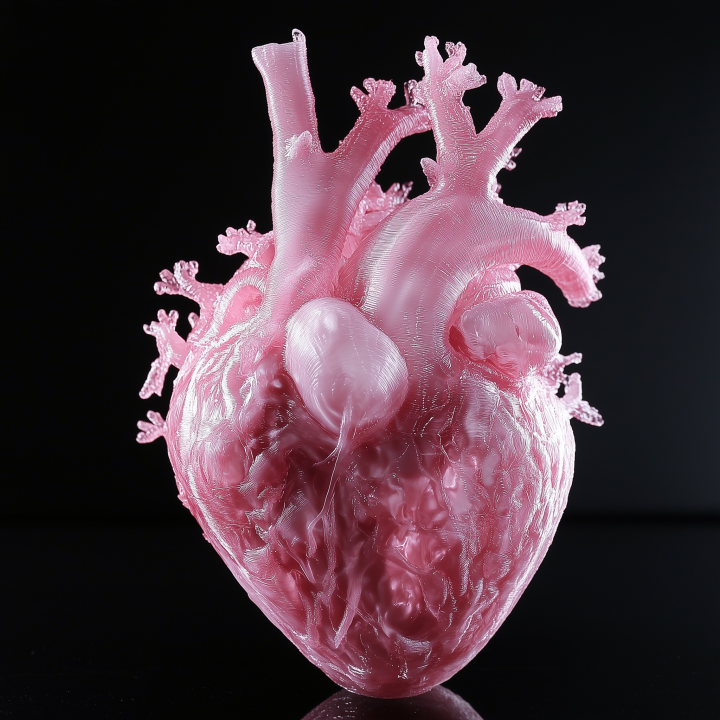
Scientists say the human heart works on its own — with very little influence from the brain.
The human heart has its own intricate nervous system, often called a "little brain," which is essential for regulating the heartbeat. This intracardiac nervous system is more complex than previously thought, challenging traditional views of how the heart's rhythm is maintained.
Scientists have long debated the extent of the brain's influence over the heart, with some believing it to be a self-governing organ. However, recent research on zebrafish has revealed a surprising level of complexity in the neurons surrounding the heart.
This suggests that the heart's nervous system not only acts as a pacemaker but also as a regulatory center, interpreting signals from the central nervous system and adjusting the heartbeat accordingly. The researchers used a combination of techniques, including immunological labeling, RNA profiling, and electrical analysis, to map the intracardiac nervous system of the zebrafish.
They found a diverse range of cell types, including neurons that resemble those responsible for rhythmic functions like breathing and walking. This suggests that the heart's nervous system has a more sophisticated role in regulating cardiac activity than previously recognized.
This new understanding of the heart's nervous system could lead to advancements in treating heart diseases, such as arrhythmias. By further investigating how this system responds to factors like disease, diet, and activity, scientists may identify new targets for therapies to maintain heart health