x




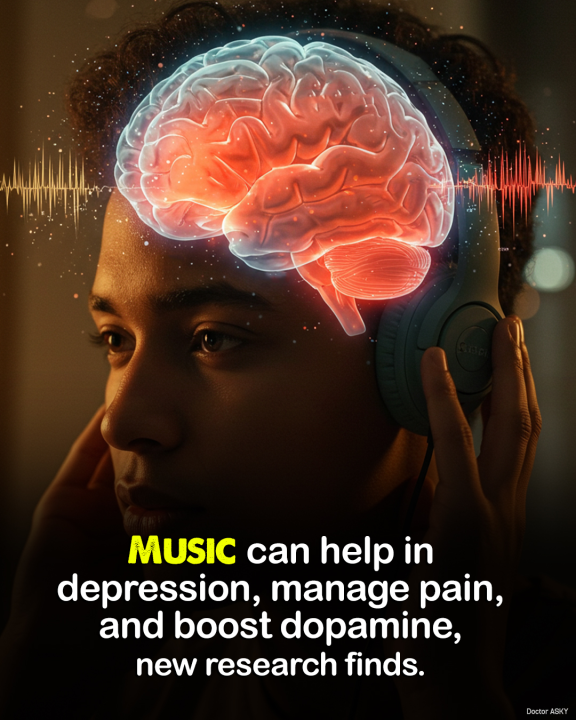
Ever felt goosebumps while listening to a powerful piece of music? That chill down your spine isn’t just emotion—it’s your brain having a real, measurable response. This phenomenon is called frisson, and it happens when music triggers the release of dopamine—the same pleasure chemical linked to food, sex, and even addictive drugs. Your brain lights up in anticipation of a powerful moment in the music, and when that moment hits, the reward centers fire up, giving you that euphoric rush.
Scientists have found that people who frequently feel chills from music have stronger connections between their auditory and emotional brain centers. Personality also matters—those open to new experiences tend to get frisson more often. It’s not just emotional lyrics or a sad melody that cause it. What really gets us are the surprises: a sudden chord change, a soaring vocal, a new rhythm that defies our expectations.
Music uses ancient survival circuits to spark intense feelings. Goosebumps once helped us look bigger in danger—music hijacks that reflex, creating “safe danger.” Your cultural background, memories, and even your genes shape how you respond to music. Some songs feel powerful because they’re tied to personal moments. Others hit hard because they break musical rules in a satisfying way.
This science isn’t just cool—it’s being used. High-end audio gear, film scores, even streaming algorithms are designed to heighten emotional responses. Therapists are also using music to help treat depression, manage pain, and boost dopamine in conditions like Parkinson’s.
So the next time a song gives you chills, know that it’s not just nostalgia or a good beat—it’s your brain reacting to one of the most emotionally powerful stimuli we know: music. Learn More Today About Your Brain Health at www.superbrainpower.org