x





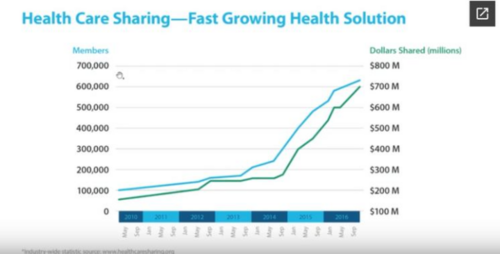
Health-share programs have only recently earned the public’s attention due to the Affordable Care Act (ACA) and skyrocketing costs of health insurance, but they’ve been around for quite a while. For over 30 years, they have been providing an alternative and
affordable solution to traditional health insurance.
Health-share programs are not offered by insurance companies, but they are recognized non-profit 501(c)(3) healthcare sharing ministries (HCSMs). HCSMs were originally founded on the biblical principle of believers sharing each other’s healthcare cost and needs. At present, there are over 1,000,000 Americans who are currently members of health-share programs.
As these plans are not insurance, they do not fall under state and federal regulations governing health insurance.
Some states have tried to block HCSMs on the grounds that they are selling unauthorized insurance. However, courts have overruled these efforts, and thirty states have laws protecting health-share programs and recognizing them as distinct from health insurance organizations, so they don’t need to meet the same requirements.