x





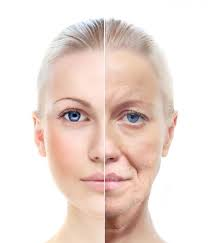
Aging is an interesting combination of influences from genetics to our environment through exposure over a lifetime. Genetic makeup is called our geneome, and our environmental exposure is called the exposome. The redox theory of aging has an influence on both of these factors. Remember that 90% of our genetic makeup is variably expressed or has switches. Genes can be turned on and off. The redox theory of aging outlines the idea that there are redox networks in our cellular physiology that interface between the individual and the environment. Essentially we can switch off our adaptogenic genes and lose our innate adaptive powers. In this process of adaptation to the environment, there is a decline in flexibility and adaptability.
Oxidative stress, a natural consequence of cellular physiology, is normal and is needed to adjust and adapt to the world, but excessive oxidation is destructive and can lead to a breakdown in cellular balance of these important pieces of the puzzle. We, in a sense, rust (oxidize), and become stiff and inflexible in our adaptive abilities causing us to age faster. Recently, there has been a discovery that helps to measure the presence of an aging redox network system.
A blood test measuring plasma cysteine to glutathione ratio predicts outcomes in coronary disease patients. This ratio is predictive of the chemical oxidation that leads to the breakdown in the arteries of the heart and leads to heart disease. There may also be similar implications in other oxidative diseases such as diabetes, atrial fibrillation, stroke, and others. The implications of this new knowledge are profound. It suggests that we all are in need of normal and natural levels of oxidants and reductants in our tissues as we encounter challenges to our health from toxins, or infections. The cause of imbalance and accelerated aging comes when we have repeated exposure to toxins or if we lose our natural balance of redox defenses in our bodies. This leads to molecular damage, cellular damage, abnormal cell division, and age-related diseases like type II diabetes.