x





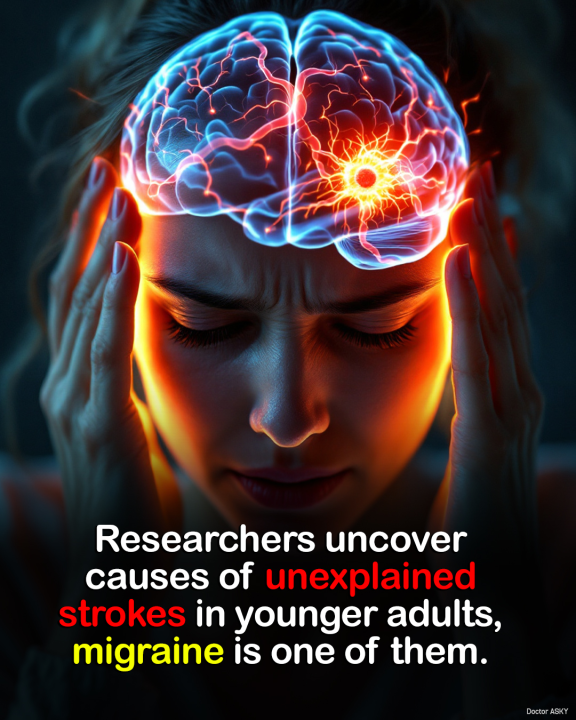
A new study sheds light on the rising incidence of unexplained strokes in younger adults, particularly those under age 50. These strokes, known as cryptogenic strokes, often occur without a clear cause like high blood pressure. However, researchers have found that the presence of a patent foramen ovale (PFO)—a type of hole between the upper chambers of the heart—may be a significant factor.
The study revealed that individuals with a PFO who suffered a cryptogenic stroke were more likely to have nontraditional risk factors, such as a history of chronic kidney disease, cancer, or blood clots in veins, compared to those without a PFO. Interestingly, migraine with aura—a type of migraine accompanied by sensory disturbances like flashes of light—was the leading nontraditional cause of these strokes, especially in women and those with a PFO. Although a PFO is generally harmless, it can increase the risk of stroke.
Lead researcher Dr. Jukka Putaala explained that the role of nontraditional risk factors, especially migraines, was a surprising discovery. While traditional stroke risks like high blood pressure, obesity, and diabetes are well known, this study highlights the importance of considering other factors, particularly in younger adults. The findings suggest that young women with a history of migraines should be especially cautious and may benefit from tailored risk assessments.
The research also identified several risk factors specific to women, including gestational diabetes and pregnancy-related complications like preeclampsia, which were more common in women who had suffered a stroke compared to those who hadn't.
Data from 523 adults aged 18-49 who had suffered a cryptogenic ischemic stroke were analyzed, comparing those with and without a PFO to a control group of 523 healthy adults. The study found that each additional nontraditional risk factor in stroke survivors with a PFO more than doubled their odds of having an ischemic stroke. In those without a PFO, the odds increased by 70%.
Though the study doesn’t prove cause and effect, its findings suggest a need for more nuanced screening of younger adults for stroke risk, particularly considering nontraditional factors. Dr. Tracy E. Madsen, a specialist in emergency medicine, noted that recognizing risks unique to women, such as pregnancy complications and migraines, could change how healthcare providers approach stroke prevention and patient education.
With up to half of ischemic strokes in younger adults being cryptogenic, Dr. Putaala emphasized the importance of regular, thorough assessments of both traditional and nontraditional risk factors for effective prevention. Your Brain Health Is Importanat: www.superbrainpower.org