x





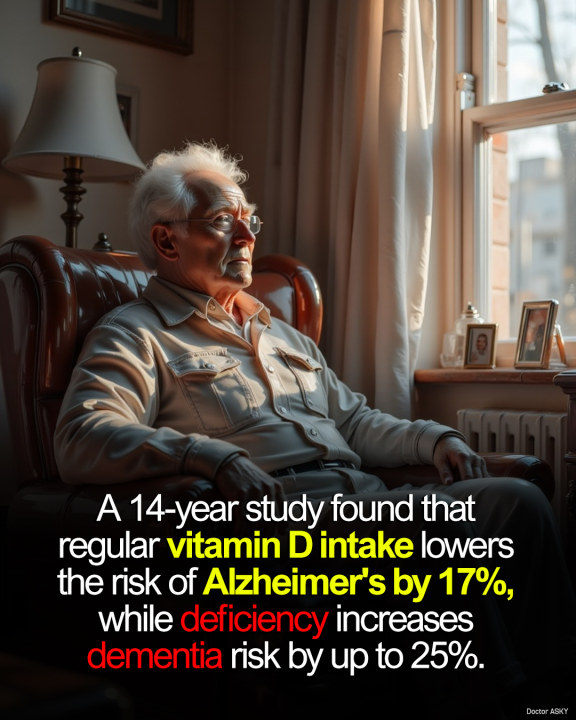
Nearly 1 in 3 adults are vitamin D deficient—and that may raise Alzheimer’s risk
Vitamin D isn’t just good for your bones—it might also protect your brain. A new 14-year study tracking nearly 270,000 adults found that people who regularly took vitamin D had a 17% lower risk of developing Alzheimer’s disease. Researchers also found that being deficient in vitamin D raised the chances of dementia by as much as 25%. Even those with mildly low levels had a higher risk. This connection held true even after adjusting for age, genetics, lifestyle, and other dementia risk factors.
Vitamin D plays a key role in brain function because it helps regulate inflammation and may even support the breakdown of harmful amyloid plaques—the protein buildup often seen in Alzheimer’s. The study also noted that regular multivitamin users had a 14% lower risk of Alzheimer’s and vascular dementia, with even stronger effects in people with obesity. While the findings weren’t as clear among participants with darker skin tones (possibly due to fewer participants in that group), the overall trend suggests that maintaining good vitamin D levels could help protect your memory as you age.
Since vitamin D deficiency is extremely common, especially in older adults, it might be time to check your levels through a simple blood test. Aiming for an optimal range of around 50 ng/mL could be one step toward safeguarding your cognitive health in the long run. While more research is needed, this study adds to the growing evidence that a simple daily supplement might offer more brain protection than we thought. Take Care Of Your Health No Matter Your Age: www.drinkbc6.com