x





Intermittent fasting and working out can contribute to a healthy microbiome. To be more specific, they improve its diversity. Contrary to popular belief, it’s not only the quantity of microorganisms you have that matters. So do the types of strains present as each has specific effects on the body, particularly its metabolism. In a study published in Cell Metabolism, gut flora also follows a circadian rhythm, which impacts its feeding and fasting cycles. These then lead to changes in diversity. Obesity caused by a poor diet can disrupt these cycles, but intermittent fasting (also known as time-restricted feeding) can partially restore the fluctuations in these cycles. Meanwhile, in an experiment conducted among elite rugby players, the researchers found a greater diversity of bacteria called Firmicutes.
What are firmicutes? Bacteria that help maintain the balance in the gut environment by preventing the colonization of disease-causing organisms.
A 2017 review highlighted the benefits of working out for gut health. Low-intensity exercises such as yoga can speed up the passing of the stool, which then decreases the contact between the mucosal layer of the large intestine and the pathogens. Voluntary exercises like running may help reduce the risk of gut-related diseases including colon cancer by inducing n-butyrate, a short-chain fatty acid. It inhibits histone deacetylase, an enzyme that may promote tumor growth by stimulating the abnormal transcription of genes. These genes may be responsible for the regulation of cellular growth and death (or apoptosis). Fasting with calorie restriction may be helpful for people with inflammatory bowel disease (IBD). In a mice study, those that received a fasting-mimicking diet showed improvements in IBD symptoms.
What is inflammatory bowel disease? It is an umbrella term for Crohn's disease and ulcerative colitis. These conditions feature chronic inflammation of the digestive tract. The researchers also discovered the length of the colon of these mice returned to normal, which might suggest the regeneration of tissues.
3. Intermittent Fasting and Working Out Fight Against Obesity
Many types of research establish a strong connection between obesity and gut health. For example, certain amino acids might influence both the microbiome and obesity. Particular types of food such as processed foods and artificial sugars can change the diversity of the flora, as well as the metabolites (or by-products) these microorganisms create. Microbes, viruses, and even fungi have long been one of the primary factors that affect a person’s metabolism. 2017 research in Cell Metabolism revealed intermittent fasting, especially an every-other-day fast, can promote brown fat.
It means this fatty tissue has more mitochondria to produce more heat or energy. In the process, brown fat can burn a significant amount of calories. It does this on the gut level. As mentioned, intermittent fasting and working out can change the activity and diversity of the microbiome. One of these changes can be the increased production of fermented products known as acetate and lactate, which then leads to activities that enhance the browning of the fatty tissues. These fermented products can further improve metabolism by promoting better insulin action, especially among morbidly obese individuals. By decreasing the risk of insulin resistance, the odds of developing diabetes, hypertension, and cardiovascular disease also goes down.
What is insulin resistance? It is a condition wherein cells become less accepting of insulin, a hormone that delivers glucose or blood sugar.
Meanwhile, a 2017 study by the University of Illinois at Urbana-Champaign revealed exercise can change the composition of the gut irrespective of a person’s diet. In an experiment involving humans who were either obese or lean, they learned those who exercised for a period of six weeks had higher levels of butyrate, which reduced risks of inflammation. Inflammation is a risk factor for obesity and insulin resistance. Note, though, the study also highlighted the importance of consistency. After the subjects returned to their sedentary lifestyle, their gut diversity went back to before.
Do You Have to Exercise with Intermittent Fasting?
There’s no rule that says intermittent fasting and working out should always go together. Some people fast without exercising, but if you want to maximize their benefits, it may be a good idea to do both. The question is, when is the best time to work out?
One of the benefits of working out while intermittent fasting is you tend to use your stored fat or fuel, but the downside is you may feel less energetic due to a lower source of energy. Your body may also end up using muscle mass to compensate for the lack of fuel. When you decide to work out while doing time-restricted feeding or intermittent fasting, make sure you consider the following:
When is the best time to work out when you’re fasting? There are many options:
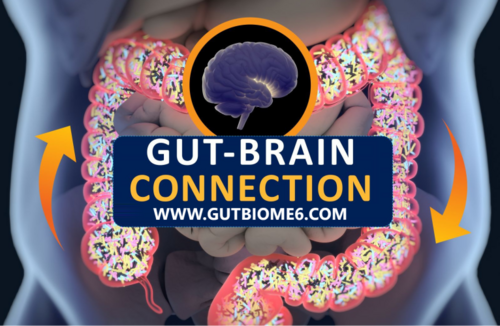
You can also support your gut while you’re doing intermittent fasting and working out with supplements such as Gutbiome6. Our advanced digestion and gut-brain formula is designed to support gut immune function, gut flora balance, gut barrier and lining, healthy stress response, positive mood, and overall brain health. Trust your gut and try GutBiome6 today.