x




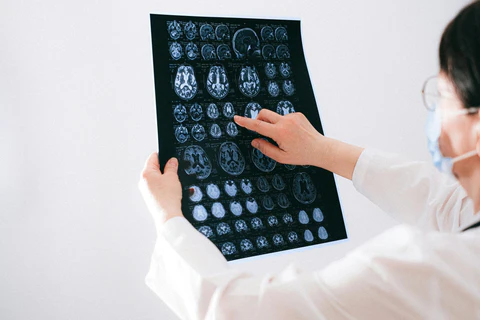
A stroke is a very serious medical condition in which blood supply to part of the brain is cut off or reduced. Ischaemic strokes (which account for 85% of cases) are caused by a blood clot, and haemorrhagic strokes are caused by a weakened blood vessel bursting.
Symptoms of a stroke include:
A stroke is a medical emergency and it is vital that a person having a stroke gets medical attention as quickly as possible. If you think someone may be having a stroke, call 911 (or the appropriate emergency line in your location) immediately. A severe stroke can kill immediately, but many strokes are survivable if treated quickly enough.

People aged over 55 are more at risk of a stroke. Men are more likely to have a stroke overall, though women are more likely to die from one, and Black people are at greater risk than white people.
A family history of stroke, or having already had at least one stroke in the past, also increases your risk.
There are also numerous lifestyle risk factors associated with stroke. In the next section, we will look at some of the ways you can mitigate these factors that are within your control.

It is impossible to completely eliminate your risk of having a stroke. However, there are plenty of steps you can take to significantly lower the likelihood. Here are our top five stroke prevention tips that will benefit you no matter your age.

A healthy diet rich in fruits and vegetables, lean protein, healthy fats, and complex carbohydrates will increase your overall health and reduce your risk of myriad health issues including stroke.
Maintaining a healthy weight is also important, as obesity is a leading stroke risk factor. If you are overweight, losing even a fairly small amount of weight can significantly cut your risk.

If you smoke, stop. If you do not smoke, do not start. Smokers are twice as likely to experience a stroke as non-smokers, and smoking also contributes to numerous other health problems including lung cancer.
If you drink alcohol, aim to have no more than two drinks per day if you are a man and one drink if you are a woman. Have at least a few alcohol-free days every week.

Having a good overall level of fitness helps to keep you healthy and reduces your risk of stroke as well as many other preventable diseases. Aim to get at least 30 minutes of moderate-intensity exercise five days per week.
Running, brisk walking, swimming, dancing, team sports, and cycling are all great options. Most importantly, find an activity you enjoy and do it regularly.

Atrial fibrillation is a type of irregular heartbeat and can cause clots to form in the heart. It increases your risk of stroke almost fivefold if you suffer from this condition, according to Harvard Health.
The symptoms of atrial fibrillation include shortness of breath, dizziness, and heart palpitations. If you experience any of these symptoms, see your doctor. They will be able to diagnose atrial fibrillation and, if appropriate, prescribe a course of treatment.

High blood pressure is one of the biggest risk factors for a stroke, and maintaining a blood pressure under 120/80 significantly reduces your risk. Monitor your blood pressure regularly and treat it if it is too high.
Lowering your salt intake, avoiding high cholesterol foods, quitting smoking, and eating a healthy diet are all good ways to lower your blood pressure. Your doctor may also prescribe you blood pressure medication, if appropriate. Learn More: