x



WHAT ARE NEURORECEPTORS AND HOW DO THEY WORK?
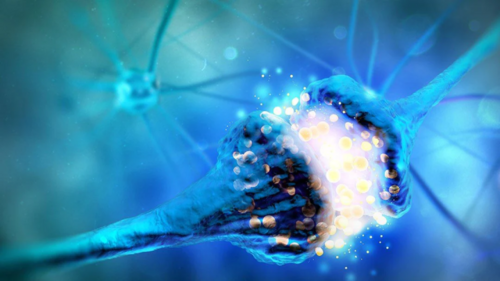
Neuroreceptors, also known as neuro receptors, neural receptors, and neurotransmitter receptors, are tiny structures formed from protein that are designed to accept information from neurotransmitters.
Neurotransmitters are chemical messengers, designed to relay information. Essentially, the neurotransmitter is like a text message, and the neuroreceptor is the app that allows you to receive and read the message. These are crucial elements of the nervous system that make it possible for different parts of the body to communicate with each other and with the brain.

So neuroreceptors process and transfer all kinds of data throughout the body that it receives from neurotransmitters. Usually, the process looks something like this:
As our senses take in information from the world around us, our nervous system creates specific types of neurotransmitters in our bodies.
When neurotransmitters encounter a neuroreceptor, they “latch on” to the receptor’s protein structure.
When the transmitter and receptor touch, the receptor is able to identify and recognize what the transmitter “means.”
For example, if a neuroreceptor comes in contact with the neurotransmitter called dopamine, it knows that something good has happened, and lets the brain know so it can release chemicals related to feeling pleasure.
After this, the transmitter is released from the receptor, and is usually broken down or recycled by the body.
NEURORECEPTORS IN ACTION
Here’s an example: you’re playing a game of basketball; you’ve been passed the ball, and you have a clear path to the hoop in front of you. A moment later, someone from the other team rushes out to intercept you. Your body responds to the new arrival by beginning to produce the neurotransmitter adrenaline. When your neuroreceptors detect the increase in adrenaline, they send signals to your brain about the local increase. Your brain responds by triggering your “fight or flight” response, leading to your heart beating faster to allow your muscles to react more quickly.
A moment later, you dash around the defender and shoot the ball at the net. You score! Then the whistle blows, the game pauses, and, no longer required to “fight or flee,” your body slows its production of epinephrine and your heart rate returns to its normal rhythm as you take a moment to catch your breath.
So neuroreceptors process and transfer all kinds of data throughout the body that it receives from neurotransmitters. Usually, the process looks something like this:
As our senses take in information from the world around us, our nervous system creates specific types of neurotransmitters in our bodies.
When neurotransmitters encounter a neuroreceptor, they “latch on” to the receptor’s protein structure.
When the transmitter and receptor touch, the receptor is able to identify and recognize what the transmitter “means.”
For example, if a neuroreceptor comes in contact with the neurotransmitter called dopamine, it knows that something good has happened, and lets the brain know so it can release chemicals related to feeling pleasure.
After this, the transmitter is released from the receptor, and is usually broken down or recycled by the body.
Neuroreceptors are very complicated, but their role as launching points for information makes them a crucial element of the nervous system. There are also a lot of neurotransmitters ready to bind to them, allowing for a vast array of responses and controls available to each one. This is also the basis of our own Vibrotactile Technology™ – the idea that information is, in its early stage, an electric signal in a neuroreceptor, ready to be interpreted by the brain in a way that will be beneficial to the body. This is how we learn about, understand, and react to the world around us, and it is little short of amazing.