x





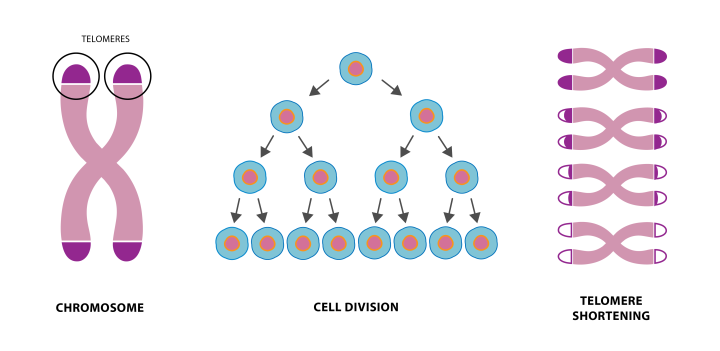
Did you know every 7–10 years all the cells in our body are replaced with new cells? You basically have a whole new body about every decade. So why don’t you look the same as you did 10 years ago? The short answer is cellular damage degrades each copy of your DNA.
There are a variety of factors that can contribute to cellular damage and affect the performance of DNA, mitochondria, and sirtuins. The most common are environmental, stress, nutrition, inactivity, lifestyle, and genetics. But, by far, the biggest factor is aging.
The longer we live, the more cellular damage we accumulate and the less youthful and vibrant we look and feel. That is why we must understand what contributes to this damage so we can work to minimize and even avoid it in the first place.
Environment
The environment basically refers to anything outside of our bodies. It is filled with radiation and toxins that can contribute to cellular damage.
Low levels of radiation are all around us. Some are from natural sources like space and the sun, and others are artificial like power lines, cellphones, microwaves, and medical devices. While some of the more serious natural radiation is blocked by our planet's atmosphere, we are still exposed to artificial sources of radiation and ultraviolet radiation (UV) from the sun every day. Even in small doses, the damage over decades can add up.
There are also countless toxins from air and water pollution, industrial manufacturing, and pesticides that can build up in our systems and damage our cellular health as well.
Stress
A lot of people think that stress is an emotional experience, but it’s a physical one, too. A growing body of research blurs the need to separate emotional from physical states. In a review of 23 animal studies, researchers found that acute and chronic stress influenced how well mitochondria could function, especially in the brain(2). This altered state, could explain why psychological stress translates into physical and cellular damage.
Poor Nutrition
What is put into your body affects all cells and their ability to function correctly. Getting the right vitamins and minerals and avoiding over-supplementation of micronutrients can play a key supportive role in maintaining good cellular health. Heavy processed diets that lack proper nutritional value starve your cells.
Inactivity
Inactivity and poor physical fitness can contribute to cellular damage as well. The more in shape and physically active you are, the healthier your body’s organ systems will stay and the better your cellular functions will perform. This is especially true when maximizing muscle tissue and minimizing fat levels.
Lifestyle
Certain lifestyle choices can be very detrimental to your cellular health. Drinking alcohol and smoking cigarettes are two common substances that can damage your cells. Cigarettes alone have over 7,000 chemicals, at least 250 are known to be harmful, including hydrogen cyanide, carbon monoxide, and ammonia (3, 4) and among those at least 69 can cause cancer.
Disease
Certain diseases can even affect your health at a cellular level. For instance, some diseases affect your body’s ability to make new cells, or they may impact cells’ ability to fight off other diseases. You should always speak to a doctor if you suspect that you have a cell-related disease or condition, as these conditions can be very long-lasting and have wide-ranging health effects.
Genetics
Some people are genetically fortunate to be born with a robust genetic code that enables them to maintain healthy cells longer into old age than others. But the truth is, what we put in our body and how we treat our body affects our health far greater than genetics. Only about 20% of our cellular health is ultimately affected by genetics, the other 80% comes from how we treat our bodies.
Aging
The leading contributor to declining cellular health is aging. As we get older the collective cellular damage builds up in our body. Part of that continued build up of cellular damage is because essential nutrients like NAD+ are in decline.
Check Out Our Video For More Information