x





If you’re like many other adults, you’ve spent more than one night tossing and turning with sleeplessness.
According to the American Academy of Sleep Medicine, 30 to 35% of adults in the United States have brief symptoms of insomnia, 15 to 20% have a short-term insomnia disorder that lasts less than three months, and 10% have a chronic insomnia disorder, which occurs at least three times per week for at least three months.
Insomnia impacts energy level, mood, and health.
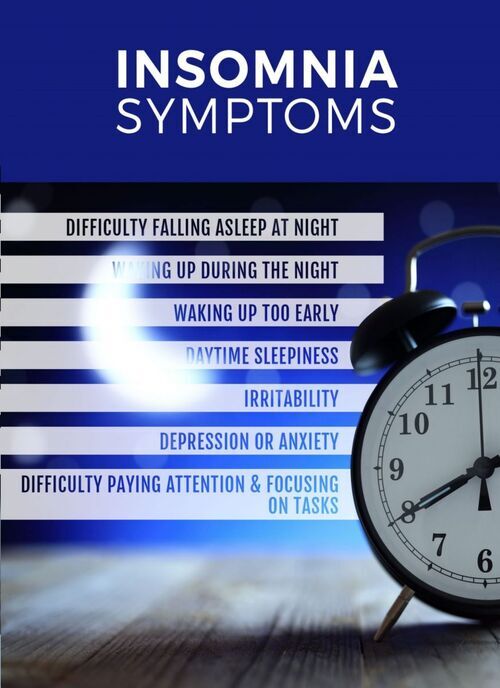
Chronic insomnia is usually a result of stress, life events, or unhealthy habits. Treating the main cause might cure this condition, but the process can last for years. Common causes of chronic insomnia include:
Stress can be at the root of many chronic disorders, including insomnia. Anxious thoughts related to work, finances, or family can keep the mind active at night, making it difficult to fall asleep. Stressful life events or trauma, such as the death of a loved one or a job loss, can also cause chronic insomnia.
Your body can adjust to different schedules if you give it some time, but it might not react well to sudden changes such as travel across multiple time zones or work shifts that keep on changing. Your sleep-wake cycle and metabolism might get affected—and disrupting your body’s natural cycles can lead to insomnia.
Poor habits related to sleep include an irregular bedtime schedule, over-stimulating activities before bed, and using your bed for work, eating, or watching TV. All electronic devices used just before bed can affect your sleep cycle, especially if you read upsetting news or watch violent movies.
You can have a light snack before bedtime, but overeating, and too close to bedtime, does not leave enough time for your digestive system to process the food. You might have a hard time falling asleep because you feel physically uncomfortable while lying down, experience heartburn, or backflow of acid.
Chronic anxiety, panic attacks, and post-traumatic stress disorder may disrupt sleep—insomnia often appears as a side effect when the person has mental health disorders. Examples of other medical conditions that can cause insomnia include chronic pain, cancer, diabetes, heart disease, and asthma.
Several medications can affect sleep. Some prescription drugs such as antidepressants, medications for asthma and blood pressure, and many over-the-counter medications including some pain and allergy medications contain caffeine and other stimulants.
Sleep disorders that might affect sleep include sleep apnea, which causes you to stop breathing throughout the night, and restless legs syndrome, which causes unpleasant sensations in your legs and an almost irresistible desire to move them.
All caffeinated drinks are stimulants, and drinking them in the evening can make it hard to fall asleep. Nicotine is also a stimulant that can interfere with sleep. Alcohol, a depressant, may sometimes help you fall asleep, but it prevents deeper stages of sleep and often causes awakening in the middle of the night. Addictions to these substances can cause chronic insomnia.
Conventional drugs should be used with caution in the treatment of insomnia because many of them contain properties that can cause undesired effects. A balanced supply of nutrients is key for a healthy body and mind. Amino acids affect our bodies and minds because they make up proteins, which are needed in most of the biological processes in our bodies. As sleep can get affected by physical and mental disorders, amino acids can be helpful in treating insomnia. But how exactly? And what are the best amino acids for insomnia?
Glutamine balances the immune system and helps with stress, depression, and anxiety.
This amino acid provides energy to the immune and intestinal cells. Studies show that levels of glutamine in the body are lower during times of physical or psychological stress—and cells do not have the fuel to properly function. During times of stress and tension, it is important to use supplementation of glutamine to help the cells in your body. The immune and intestinal cells, in particular, need high levels of glutamine as they divide and renew themselves at higher rates.
People with mental disorders often have a deficiency of glutamine. This amino acid increases the production of GABA (gamma aminobutyric acid), which is the most important inhibitory neurotransmitter of the brain. By increasing GABA, glutamine acts as a natural sedative in the brain. GABA brings peace of mind, balance in stressful situations, improved concentration, and restorative sleep.
Studies show that tryptophan (often called L-tryptophan, denoting the chemical structure) can help patients who have insomnia. A metabolic endproduct of tryptophan, 5HTP (5-hydroxytryptophan), boosts feelings of well-being, connection, and safety, by increasing production of the feel-good hormone, serotonin. Serotonin, like all neurotransmitters, transmits signals between nerve cells. Changes in the level of serotonin in the brain can alter mood and affect sleep. In addition to helping you sleep better, tryptophan can potentially reduce problems associated with sleep apnea or insomnia.
Studies evaluated the effects of glycine on daytime sleepiness, fatigue, and performances in healthy subjects. The experiment aimed to reduce sleep to 25% less than the usual sleep time for three consecutive nights, and the participants took 3 grams of glycine before bedtime. A visual analog scale (VAS) and a questionnaire were used to evaluate results. The data showed a significant reduction in fatigue and sleepiness, despite the fact that participants got less sleep.
Oftentimes, amino acid therapy is based on administration of a single free amino acid. For example, you take L-tryptophan (or 5HTP) to increase serotonin in the brain. The caution is to avoid mega-dosing or over-using a supplement. The body strives very hard to maintain a balance in all things and amino acids, in particular, are very tightly regulated. A better strategy is to use a balanced essential amino acid mixture to ensure availability of the particular amino acid needed by the body and the brain. Amino acids for insomnia are beneficial and safer than pharmacologic approaches because they do not cause physical or psychological dependence.
AGING - MUSCLE LOSS - DISEASE ARE YOU AT RISK: LEARN MORE