x





Colostrum is the “first food of life,” and it helps promote newborn growth and development. All mammalian mothers produce colostrum late in pregnancy and in the first few days after the birth of their young. Colostrum contains a plethora of substances which ensure these newborns can get the nutrients they need to thrive. Animal babies will die if they do not receive colostrum. Human babies can survive without colostrum, but they are generally at a developmental disadvantage and are more susceptible to illnesses in comparison to those who receive colostrum.
Although many people link colostrum exclusively to newborn growth and development, it is important to note that bovine colostrum contains many essential nutrients that help people of any age shut down excessive intestinal permeability.
Excessive intestinal permeability, also referred to as “leaky gut,” results in larger-than-average spaces between the cells in the gut wall. The normally tight junctions between the cells loosen and become “less tight.” Of note, the gut wall is only ONE cell thick, so it’s easy to understand how the gut can become leaky. When these spaces form, they enable undigested food particles, chemicals, and other toxic materials to enter the bloodstream. As a result, these toxic materials can cause the immune system to react to these “foreign” substances.
The root cause of leaky gut remains unknown. Some researchers believe nutritional deficiencies, excess consumption of sugar, stress, and other dietary factors can lead to leaky gut.
Colostrum is the “first food of life,” and it helps promote newborn growth and development. All mammalian mothers produce colostrum late in pregnancy and in the first few days after the birth of their young. Colostrum contains a plethora of substances which ensure these newborns can get the nutrients they need to thrive. Animal babies will die if they do not receive colostrum. Human babies can survive without colostrum, but they are generally at a developmental disadvantage and are more susceptible to illnesses in comparison to those who receive colostrum.
Although many people link colostrum exclusively to newborn growth and development, it is important to note that bovine colostrum contains many essential nutrients that help people of any age shut down excessive intestinal permeability.
Excessive intestinal permeability, also referred to as “leaky gut,” results in larger-than-average spaces between the cells in the gut wall. The normally tight junctions between the cells loosen and become “less tight.” Of note, the gut wall is only ONE cell thick, so it’s easy to understand how the gut can become leaky. When these spaces form, they enable undigested food particles, chemicals, and other toxic materials to enter the bloodstream. As a result, these toxic materials can cause the immune system to react to these “foreign” substances.
The root cause of leaky gut remains unknown. Some researchers believe nutritional deficiencies, excess consumption of sugar, stress, and other dietary factors can lead to leaky gut.
The growth factors in bovine colostrum include:
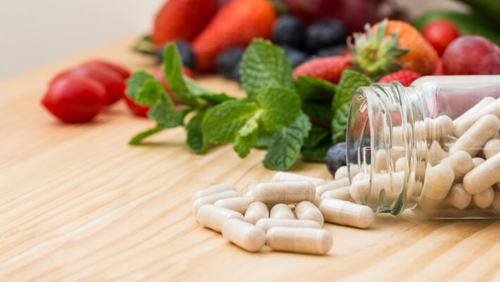
Bovine colostrum supplements are available for men, women, children, and even pets. They may be taken in a capsule or powder form as part of a regular diet. Additionally, bovine colostrum supplements often contain a wide range of ingredients that benefit the body in many ways.