x





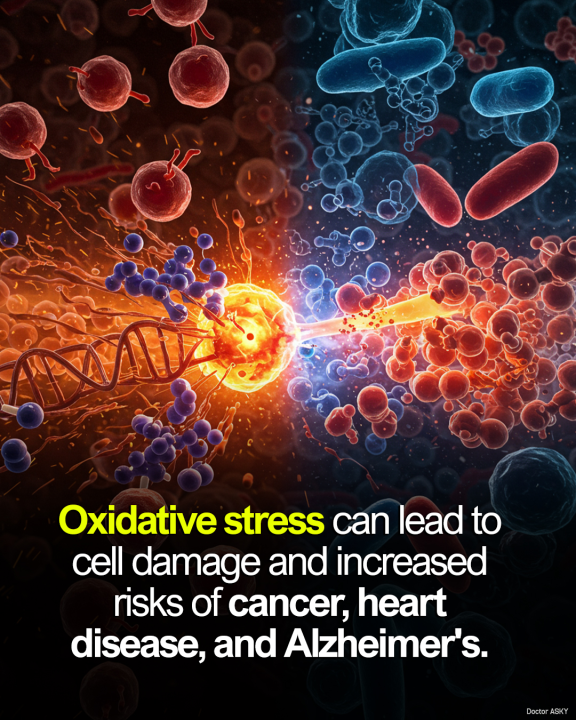
Oxidative stress, also known as oxidative damage, occurs when there is an imbalance between free radicals and antioxidants in the body. Free radicals are unstable oxygen molecules that can damage cells and tissues, increasing the risk of chronic diseases such as cancer, diabetes, arthritis, heart disease, Alzheimer's, and other inflammatory conditions. According to Dr. Richard Loeser, a rheumatologist and director of the Thurston Arthritis Research Center, oxidative stress can be a key factor in the development of these conditions.
Free radicals are naturally produced during the body's normal functions, such as metabolizing food. However, environmental exposures—like excessive sun exposure or pollutants—can also increase the production of free radicals. When there aren't enough antioxidants to neutralize them, oxidative stress occurs, leading to cellular damage. Naturopathic physician Thara Vayali explains that while free radicals are necessary for certain bodily functions, the issue arises when their levels become excessive.
Excessive oxidative stress can have detrimental effects, but it’s important to remember that a certain amount of free radicals is necessary for the body to function properly. The key is balancing free radical levels with antioxidants to prevent chronic diseases. According to Dr. Loeser, it’s when free radicals increase beyond the body’s ability to manage them that oxidative stress becomes harmful.
Reducing oxidative stress is crucial for long-term health, and there are several strategies to keep it in check. A balanced diet rich in antioxidants, found in fruits, vegetables, nuts, and seeds, can help counteract free radicals. Regular physical activity, reducing exposure to environmental toxins, and avoiding smoking and excessive alcohol consumption are also effective in managing oxidative stress.
Antioxidants work by neutralizing free radicals, preventing them from causing damage to healthy cells. Foods high in vitamins C and E, such as citrus fruits, berries, and leafy greens, can help increase antioxidant levels in the body. Incorporating antioxidant-rich foods into your diet regularly is one of the most powerful ways to reduce oxidative stress and lower the risk of developing chronic diseases.
Additionally, managing stress through mindfulness practices, adequate sleep, and stress-relief techniques can also play a significant role in reducing oxidative stress. Chronic stress can contribute to higher free radical production, so it's important to prioritize mental health for overall well-being. Start Taking Care Of Your Cellular Health today at www.drinkbc6.com