x





You've probably seen it popping up everywhere online, right? Today, we're going to cut through all that hype and figure out what the real story is. Is it a foundation for your health, or is it more of a finishing touch? And that leads us to the big question, the one I've been asking myself too. If your diet is already solid, you know, if you're eating really well, can a supplement like colostrum actually move the needle, or is it just overkill?
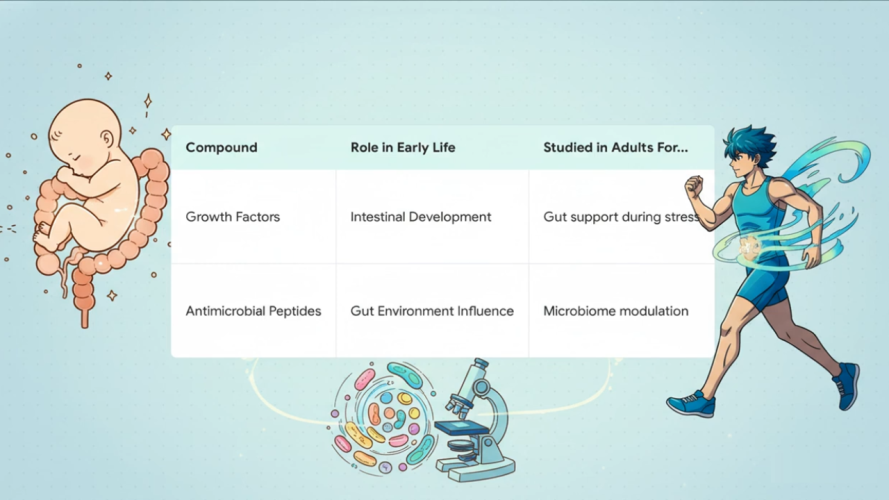
You've heard the nickname liquid gold, and honestly, it's for a very good reason. But what does that powerful first food for newborns really mean for us as adults taking it in a powdered superfood form. Let's take a look. So at its core, colostrum is basically nature's first superfood. It's this incredibly dense milk that's packed with everything a newborn needs to kickstart its immune system and build a healthy gut right from the get-go. And that powerful, natural design is exactly why it's getting so much attention for adult nutrition now.
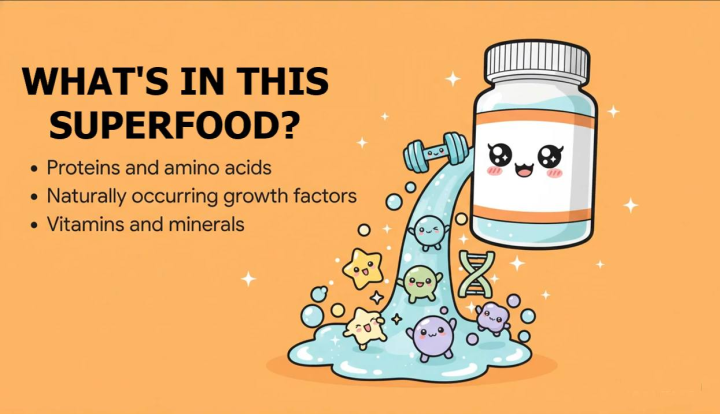
So when you look at a colostrum superfood, its just that a real whole nutrient dense food, but what are you actually getting? Well, it's a lot more than just protein. You've got your amino acids, of course, but you're also getting these naturally occurring growth factors like the growth factor, IGF-1 and IGF-2, vitamins, minerals, and other bioactive compounds. You can almost think of them as these tiny messengers that are giving your body specific instructions.
Let me be crystal clear. The bovine colostrum superfood we're talking about are designed for adult nutrition. They are absolutely not, under any circumstances, a substitute for human breast milk or infant formula. Two totally different things.
Lets talk about the real, unshakable foundation of our health. No supplement on the face of the earth, no matter how fancy, can ever replace the power of a diet that's built on real, whole foods. This is our non-negotiable starting point. And what does that foundation look like? Well, it's pretty simple, really. It's that beautiful rainbow of fruits and veggies. It's energy giving whole grains, muscle building, lean proteins, gut happy fermented foods and brain feeling healthy fats. All of these things work together, creating this amazing symphony of nutrients that a single supplement just can't replicate. OK, so now that we've established that food first foundation, we can have a much more sensible conversation about this superfood.
This next part is all about putting them in the right context, seeing them as very specific tools for a specific job, not as a replacement for doing the real work with your diet. So instead of this idea of food versus supplements, let's ask a much better, much more useful question. What role does each one play? You know, it's like asking if you need a hammer or a screwdriver. They're both tools, right? But they do totally different jobs. Your diet, that's your job number one, provides the breath. It gives you that wide range of nutrients, the fiber, the energy you need day in and day out. A superfood like colostrum, on the other hand, provides concentration. It gives you a very specific set of compounds in a small targeted dose. So let's look at a few examples. For gut health, your diet gives you the fiber that feeds all those good gut bacteria. Colostrum, in this context, might offer some extra support to the actual lining of your gut especially if you're under a lot of intense physical stress. And it's a similar story for immune function and athletic performance.
Food always lays the groundwork, and colostrum might provide a targeted boost on top of that. Here's another great way to think about it. Whey protein is kind of like a team of construction workers that are experts at one thing, building muscle. Colostrum is like that same great team, but they also have this super smart foreman with them, who's carrying the blueprints for a whole bunch of other important projects too. It's got the protein plus a lot more.
Now, How do you actually take all this information and decide if this is something you should even consider for yourself? If you're thinking about trying colostrum, here are four non-negotiable safety checks. Number one, if you have a milk allergy, it might not be for you. Number two, start slow and... Just pay attention to how your body handles it. Three, do your homework on the brand. Look into their sourcing and quality, it the sourcing does not take place within 6 hours your probably getting transitional milk and not colostrum. Four, the most important one, please talk to your doctor or registered dietitian before starting any new regiment. So after all of this, we finally arrive at the million dollar question, right? Does it actually work? A superfood like colostrum works best when it's just one part of a much bigger system. It's not a magic bullet. It only has a chance to provide a benefit if you're already nailing your whole food diet, getting enough calories, exercising regularly, and, this is a big one, have realistic expectations about what it can do.
No single product, no matter how good it is, can ever replace the sheer power of variety in your diet. Colostrum is not a foundation. It's a complement. It's a tool that some people, maybe athletes or people going through periods of really high physical demand, might find useful, but only when it's added on top of an already excellent nutrient-dense diet. And that leaves us with the final question. But this one isn't for me to answer. It's for you to think about. Armed with all this information, the real question isn't just, does it work? It's, is this the right tool for your health goals and for your toolbox? Get the facts today and visit www.shapeupforlife.com for more information.