x






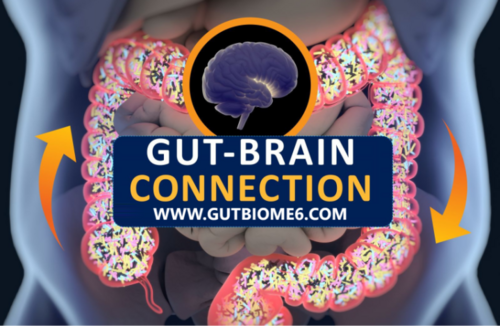
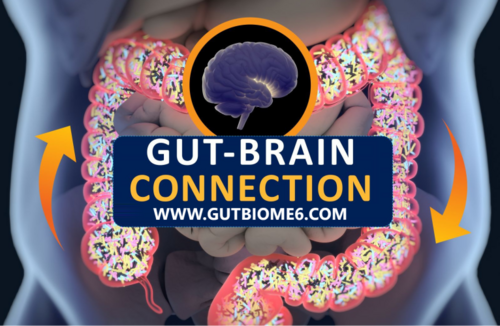
You may have heard about probiotics helping with things like mood and sleep. But how can your gut have such an impact on your brain? It turns out, the two organs are deeply connected in ways we don’t fully understand but are beginning to identify. Your gut can influence sleep, mood, overall wellbeing, and much more – and it’s not just from the food you eat! The gut-brain axis (GBA) is the bi-directional (two-way) pathway between the brain and the gut. The GBA lets your central nervous system (CNS), which is made up of your brain and spine, “talk” with your gut. The gut includes human cells such as the enteric nervous system (ENS, with an estimated 200-600 million neurons!) and entero-endocrine cells, as well as the bacterial and yeast cells of the gut microbiome. The GBA is also the route by which probiotics you take by mouth can affect the brain. This pathway runs on three major highways:
Vagus nerve, a bundle of fibers that extend from the brain to major organs Circulatory system Immune system
Using these systems, the gut and brain communicate with one another through nerve signals, immune molecules, hormones, and nutrients. This means a condition in one area can affect the other area, like how stress can cause gastrointestinal upset or the release of the hormone ghrelin can signal a sense of hunger to the brain. It also means that certain probiotics can have an influence on your central nervous system. A probiotic that can influence brain dopamine via the GBA, for example, could have a positive effect on your mood. This article will explore all these mechanisms and more, so you can have a better understanding of how your gut and brain work together. The Gut Microbiome and the Gut-Brain Axis The microbiome-gut-brain axis (MGBA) is part of the gut-brain axis. The MGBA describes the bidirectional communication network between gut microbes and the brain. There are trillions of microbes in the gut and they can transmit information to the brain. The vagus nerve, blood, and immune molecules may all transport gut microbial signals between the two. The brain takes all this sensory information, integrates it with other information, and makes decisions to signal other actions, like stress response or food metabolism. Here are the ways the MGBA works in the body:
Vagus Nerve: The Gut-Brain Axis's Main Communication Highway The vagus nerve is a large bundle of fibers that transfers electrical impulses. It connects the central nervous system (CNS), primarily the brain, to other parts of the body, including the intestinal nervous system, formally called the enteric nervous system. The vagus nerve connects the brainstem to the stomach, the small intestine, and the colon in multiple locations. As you can probably tell from that list alone, the vagus nerve plays a huge role in the gut! Receptors on the vagus nerve endings can sense volume changes in the stomach from food digestion, and electrical firing from these nerve endings can then control when the stomach empties into the small intestine. The intestinal system can then “talk back” to the CNS by releasing the ghrelin hormone, which signals a sense of hunger. Similarly, just thinking about food can signal digestive juices to begin flowing. So how can gut bacteria impact your brain? The gut absorbs nutrients and releases them into the bloodstream, where some of them can get into the brain. Dysbiosis, an imbalance of gut bacteria, may allow “bad” bacteria and/or their toxic metabolites to enter the bloodstream by causing the barrier between the gut and the bloodstream to become permeable. This may trigger immune responses that lead to neurodegeneration, as suggested by preclinical studies. Having a “balanced” gut is crucial to overall health. On the other hand, the microbiome-gut-brain connection can have a positive effect. Certain probiotic strains have been shown to help lower cortisol levels, which correlates with stress.
Psychobiotics in particular are likely to have a strong influence on the MGBA. L. plantarum PS128 is a psychobiotic that appears to help balance dopamine and serotonin based on preclinical studies, influencing mood and sleep. The Blood-Brain Barrier The blood-brain barrier (BBB) plays an important role amidst all of this. This is because the BBB has a strict “filter” that regulates CNS homeostasis as a form of protection. These restrictions help maintain neuronal function and protect the CNS from unwanted “visitors” like toxic substances and pathogens. Loss of this barrier functionality can result in neurological dysfunction. However, the BBB can also make it difficult to get helpful substances into the brain from the bloodstream. For example, dopamine is not able to pass through the BBB, but its biosynthetic precursors tyrosine and L-dopa can. These chemical compounds can then be converted into dopamine inside certain neurons within the brain. This is why dopamine levels in the brain typically can’t be raised by taking dopamine orally.
Two notable exceptions to blood-brain barrier restrictions are caffeine and alcohol. Both chemicals are rapidly absorbed into the bloodstream, and can cross the blood brain barrier by simply diffusing through the membranes due to their chemical characteristics. This is why both caffeine and alcohol have such a rapid effect on human behavior. You may have read that enteroendocrine cells in the lining of the digestive tract synthesize up to 95% of the serotonin in our bodies. Some probiotic strains may be able to impact the level of serotonin within the gut as well. However, it’s important to keep in mind that this gut-produced serotonin does not reach the brain. Gut serotonin plays a role in gut motility, and can also enter the bloodstream – but serotonin and other neurotransmitters in the blood can’t cross the blood-brain barrier where they would have a direct effect on mood. Any direct effect of a probiotic on mood or brain activity, therefore, must be mediated by one or more of the three major highways of the GBA (see diagram below). For example, a probiotic strain may influence the binding of a molecule to one end of the vagus nerve, sending an electrical signal that affects neurotransmitter activity in the brain (vagus nerve “highway”). Theoretically a probiotic strain might also be able to affect the levels of biosynthetic precursors of the neurotransmitter in the blood, influencing its production within the brain to some degree (circulatory system “highway”).
Make a Gut-Brain Connection As you can tell, the gut-brain axis is complicated – and not yet fully understood. Hopefully, this left you with a greater understanding of the many ways the gut and brain communicate and work together. I