x





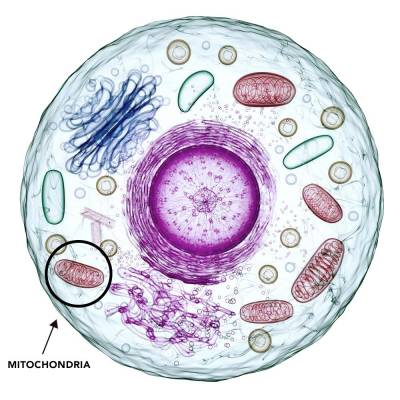
Cells make up our entire body and are the building blocks of life, it takes the collective effort of over 37.2 trillion cells to sustain life. Cells achieve this by organizing into specialized groups to perform increasingly more complex bodily tasks. When cellular functions are damaged or not performing at their peak, a chain reaction can occur, leading to issues across entire organ systems and the body.
These issues, over time, manifest themselves as the signs we are often all too familiar with — symptoms like fatigue, disease, reduced mental and physical performance, and the physical signs of aging. Most health-based activities focus on an outside-in approach to directly supporting one or several organ systems — circulatory, digestive, immune, endocrine, etc.
Some examples of an outside-in approach to health-based activities are:
While these approaches are fundamental to achieving whole-body health, they do little to support your body’s cellular health. That is because, it doesn't matter how much exercise you perform. If your body's cells are not performing at their peak due to a key cellular deficit, your body can’t reach your health goals.
You have to address the underlying issues at the cellular level to overcome your plateau or blocker.
To fully understand how cellular performance might be limiting your ability to achieve whole-body health and wellness, we need to go a little deeper into the anatomy of a cell. Yes, it’s a little science-y, but it’s important to know why.
The Anatomy of Cellular Health
There are many different types of cells in the body, but they all have similar essential functions and needs. Nearly all cells in the body require four components to operate at peak performance: DNA, mitochondria, sirtuins, NAD+ and more.
DNA – The Operating Instructions of the Cell
The DNA contains all the instructions for how a cell operates — every protein, cell structure, and cellular product. As cells divide, they need to copy these instructions over and over to new cells. Like a copy machine, each copy of a copy can become harder to read due to internal and external factors that cause damage to DNA's telomeres.
Telomeres are short sequences of DNA that cap the end of chromosomes and protect cells. Telomere length can affect the pace of aging and the onset of age-associated diseases. They become shorter each time a cell copies itself.
Over time it can become harder for cells to follow these instructions properly, and mistakes can be made. This damage can be repaired in healthy young cells thanks to sirtuins and abundant crucial nutrients like NAD+, PQQ, SuperOxide Dismutase, and CoQ10. In less healthy, older cells, these mistakes accumulate, and they can cause further dysfunction.
Minimizing damage within a cell's DNA is essential to healthy aging and preventing age-associated illnesses. That means cells need an abundant supply of those crucial nutrients (NAD+, PQQ, SuperOxide Dismutase, and CoQ10) to continue to prevent and repair the damage.
Mitochondria – The Engine of the Cell
The mitochondria are the engine of a cell. They are responsible for converting glucose (sugar) into usable energy required to support cellular growth, protein synthesis, and many other critical cellular processes. Without the mitochondria, the cells within the body would not be able to survive.
Like DNA, over time, it can become harder for mitochondria to perform at their peak due to declining nutrients and repeated external damage.
A lack of crucial nutrients like NAD+, PQQ, SuperOxide Dismutase, CoQ10, and other antioxidants (cancer-fighting molecules) can't protect the cells from damage nor aid in the repair of the cells that have been damaged.
If our cells don't have the energy required to perform, we don't have the energy to reach our health goals. That's why our mitochondria must have the necessary nutrients to prevent and repair the damage.
Time To Power Up Your Cells: Check Out Our Video For More Information