x





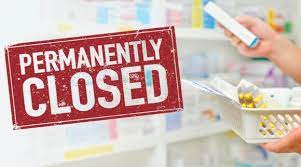
Finding a neighborhood pharmacist is becoming increasingly challenging over the past two years. The nation's three biggest pharmacy chains with brick and- mortar stores. CVS Walgreens and W. Rite Aid which is filed for bankruptcy, have either closed or announced plans to close 100 of stores, and at many of the remaining locations, pharmacy workers say working conditions have gotten worse. Thats led to unannounced walkouts and this coming week a planned walkout at Walgres nationwide.
Tom Murphy is the Associated Press National Health writer. Tom. I know you've been talking to pharmacists and Walgres and elsewhere. What are they telling you about why they're taking these job actions?
Well the biggest thing they're stressing is this isn't about money, they're not seeking more pay, they just need more help behind the counter. That's what they tell me. They've been stressed especially by all the vaccines they have to give now,
especially in the fall when you have COVID shots and flu shots and pneumonia vaccines coming into your store every day. They
want more help behind the counter because they said their main job is obviously filling and checking prescriptions and every time you have to break away from that to do a vaccine that's putting more stress on your main job. A lot of times there's only one pharmacist behind the counter and they can't break away for a bathroom break or the pharmacy has to close. They're also being asked to do a lot more with health care. A lot of them help people quit smoking or monitor their blood sugar.
So they need help with these tasks in order to do their main job which is filling prescriptions and checking them for accuracy. Chain stores tend to operate with one pharmacist on duty instead of having overlapping shifts or multiple pharmacists on duty and that means the pharmacist can't leave the counter because you can't operate a pharmacy without a pharmacist on duty and what do the chain stores say in response to this.
They say they are listening to their concerns. Walgreens, for instance, has opened a bunch of processing centers around the country to process a lot of the chronic prescriptions that patients get regularly, which will take workload off the store. Pharmacists cvs is doing some things too, but so far the pharmacists haven't seen enough to alleviate their concerns. How much is the changing economics of the pharmacy industry? I mean, we've seen sort of great expansion now. Retraction, the rise of pharmacy by mail? How much of that has led to these problems? All those factors have definitely contributed to the problems. The biggest one is pharmacies. Just don't get a lot of money for the prescriptions they fill, so they're left with what's called a thin margin.
So they have to make money elsewhere and vaccines can be a little bit lucrative for them. Their other problem is that they added a lot of stores 1520 years ago to get closer to the consumer. And then Amazon got much closer to the consumer and is taking business away from what's called the front of their stores, which is the area outside the pharmacy where a lot of their consumer goods are sold. And what's the effect on the consumer of all of this well with the consumer, there can be really long waits for prescriptions. You could come into the drugstore and find that the drug store is temporarily closed because there isn't a pharmacist on duty. It also exacerbates problems with drug shortages, i had a pharmacist tell me that one day last fall he took 100 phone calls during the day, just for shortages of ammoxisilon and Eeral. With so many physical stores closing, are we in danger of having regions or or neighborhoods where there's just no nearby pharmacy? That's always a risk, especially in poorer neighborhoods that have a lot of Medicaid patients because.
They just don't make a lot of money for the drugtors so financially it might not make much sense for the drugstores to stay open in some of those neighborhoods and what about rural areas are there concerns about pharmacies disappearing in rural areas?
Yeah, it's a different dynamic instead of a drugstore being a few blocks away, a pharmacy desert in rural areas is considered a drugs store that's maybe five miles away, but that is a problem and Right Aid was actually trying to address it earlier this year with a really small program where they opened mini stores in so-called pharmacy deserts. In there areas where there aren't a lot of pharmacies, you mentioned Walgreen setting up these distribution centers to handle a lot of the prescriptions. Is it getting to the point where we really don't need a brick and mortar pharmacy.
Not quite because pharmacists play a really valuable role in talking to people about their medicines and making sure that they have the right dose or talking to them about side effects and how to manage those. They just seeing how they're feeling and if you're at a processing center, fill in a prescription and not talking to the customer, you lose that. So there's still a lot of value for those brick and mortar stores.