x





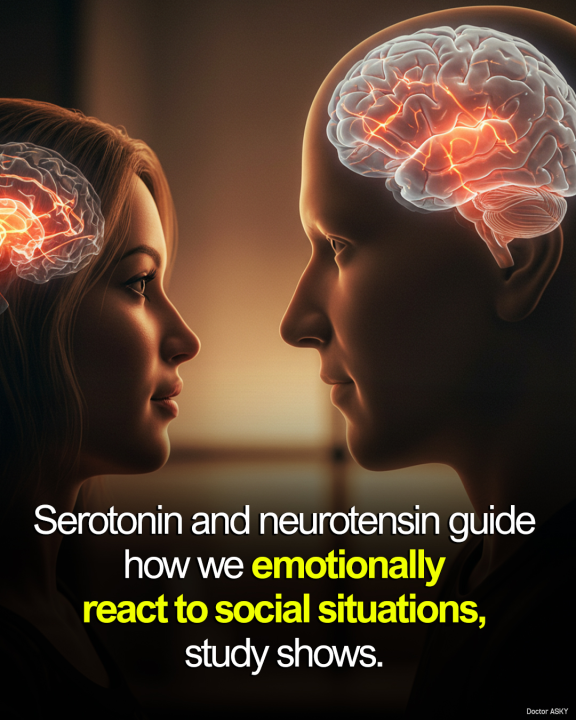
A new study has revealed how our brains decide whether a social experience feels good or bad—and how imbalances in this process may contribute to conditions like autism and schizophrenia. Researchers at Mount Sinai found that two brain chemicals, serotonin and neurotensin, play opposite roles in shaping emotional impressions during social interactions.
These chemicals act in the hippocampus, a brain region known for memory and learning. Serotonin triggers positive feelings by activating the serotonin 1B receptor, while neurotensin generates negative impressions via the neurotensin 1 receptor. The balance between these signals helps us decide if someone is friendly or hostile.
Using mice, the researchers showed how social impressions form over time. When a mouse interacted with a hostile or friendly peer, it later chose to avoid or seek them out—demonstrating emotional memory. But in a mouse model of autism, this system didn’t work properly. However, when researchers activated the serotonin 1B receptor, the mice regained the ability to form positive social associations.
This discovery could have major implications for treating social and emotional issues in neuropsychiatric disorders. The ability to assign emotional value to interactions is essential for social functioning, and when this goes wrong, it can lead to isolation, anxiety, or confusion.
The study highlights a chemical “switch” in the brain that determines social behavior—and provides a potential target for future therapies aimed at restoring emotional balance in people affected by social processing disorders. Learn More Today About Your Brain Health at www.bobbybrownbiz.com