x





Chris Carey, one of the founders of MAPerformance, started his automotive parts and services business from the comfort of home. He began by teaching car maintenance and repair tips to online users in forums. After establishing expertise and trust, people started heading over to his ecommerce site to buy parts.

If you have a teachable skill, you not only can share that knowledge in forums to get your name out there, you can also turn it into online classes. There’s an audience for just about any desirable skill, whether it’s English as a second language, advanced marketing, or everyday home maintenance hacks.
If I Made is Emily Newman’s home-based business teaching classes to creative professionals. When you teach classes online, not only do you have the flexibility to do it from home, you can also choose to offer live or pre-recorded teaching and training. For example, you might offer the live courses at a premium rate, while customers can purchase the recorded sessions at a discounted price.
That’s what Yegi Saryan, founder of Yegi Beauty, does with her business. After establishing a successful online beauty brand, she turned her talents into passive income. Now, aspiring entrepreneurs can purchase lash classes to kickstart their skills and add it as a service offering in their business. Classes are available both online and in-person.
You can also choose the class size and length. If you like small groups or even one-on-one, consider tutoring, mentorship, or masterminds. If you like larger groups, do bigger training sessions and courses. Teach a one-time all-day summit, an hour a week, or somewhere in between.
Not interested in human interaction? Create a fully downloadable course for purchase. All you need is the content, be it a video walkthrough, templates, articles, or how-tos. Use a screen-recording tool like ScreenFlow to capture your screen and voice while you walk students through the material.
Whichever way you slice it, teaching online is a profitable home business idea because it requires low overhead—just an investment in time.
 As we just discussed, one of the biggest downsides of running a service-based business is that you’re paid strictly for your time, skills, and effort. Emily Newman of If I Made productized her classes into digital courses, packaging the recordings from her live sessions and selling them at a lower rate.
“Productizing” your service—creating physical or digital products that package up your expertise and streamline or complement the service you offer—can add additional revenue streams to your business. You can cater to your current customer base or even find a new target customer in the same space.
Gabriella and Andrew Morrison started their home-based business by packaging up their expertise around tiny-home living. They sell courses and plans on Tiny House Build and StrawBale.com—operating everything from the comfort of their cozy, non-traditional house.
And here are some ideas for adding products to your service-based business:
In some cases, though, productizing your expertise is more literal. That’s how Bullet Journal came about. Ryder Carroll created his own methodology to journaling that morphed into a home-based business idea. Now, he sells physical journals on his website.
Learn more: Shopify lets you sell wherever your customers are. Visit www.shopify.com/sell.
 If you’re a content creator, have a sizable online audience already, or have always thought about starting your own blog, YouTube channel, Instagram account, or podcast, then you can potentially grow and monetize your following using any of the previous ideas on this list.
Andrew Finn co-founded Wait But Why, a blog-turned-business. After amassing more than 371,000 subscribers and millions of visits, they created digital content products tailored to an already loyal audience. Today, Wait Buy Why is a full-blown ecommerce site with digital and physical goods for sale.

Jordan Ferney, founder of Oh Happy Day Shop!, also built an audience via blogging and later turned it into a full-fledged home-based business. She designed her business around her life and being able to spend time with her family and now sells products on her ecommerce site.

Karen Kilgariff and Georgia Hardstark used Facebook groups to develop and nurture a community around their podcast, My Favorite Murder. This group of Murderinos, armchair investigators who are true crime fans, grew to more than 200,000 members before the podcast sunset in 2018. My Favorite Murder then created its own paid community, the Fan Cult forum, charging members an annual fee. Capitalizing even more on its fandom, My Favorite Murder also launched an ecommerce site with branded merchandise (it also sold event tickets there).
You can also explore becoming an affiliate—selling other products or services for a commission—or accepting payment for sponsored posts to give brands a chance to connect with your audience.
Building a loyal audience requires patience, consistency, and focus. This isn’t the easiest way to start a home-based business, especially not in the short-term, but if you’re able to build a following around something you love it can be one of the most fulfilling and enduring, giving you the flexibility to pursue multiple revenue streams at once.
The potential to monetize your audience often depends on the niche you choose to serve. If you’re starting from scratch or are in the midst of growing your own audience, be sure to check out the following guides to learn how to best grow and monetize the most popular channels:
If you’re more interested in investing in a source of income you can maintain while at home or on the go, consider buying an established ecommerce business.
Prices vary greatly based on a variety of factors, including total revenue generated, profit potential, available assets (like an email list or social following), inventory, and more. Some sellers will even onboard you and teach you the ropes of running their store.
Exchange is a marketplace powered by Shopify for buying and selling ecommerce stores. You can browse the listings for businesses that suit your budget, level of experience, and needs. Maybe you want to buy a proven business and are willing to invest more money to acquire it. Or perhaps one catches your eye with untapped potential that you’d like to build on.
Standing Health is one example of an online store available for purchase on Exchange. The company currently does $1,246 in monthly revenue with a 15% profit margin.

Just be sure to vet each listing and consider everything that’s included in the sale. Revenue and other data can be verified through Shopify, so you can rest assured those numbers are accurate. If you’d like some more guidance, check out our guide How to Buy a Business on Exchange.

The online subscription box industry grew 100% over the course of just five years. That explosive growth has led to the emergence of new direct-to-consumer brands targeting this niche, as well as the adoption by major brands like Sephora and Walmart.
You can start a subscription business from home. Sylvia Song, co-founder of MISHIBOX, did exactly that. She started importing popular Korean beauty products and selling them to a global customer base—all from the comfort of her home in Virginia. Now, the thriving ecommerce brand is moving headquarters to New York.
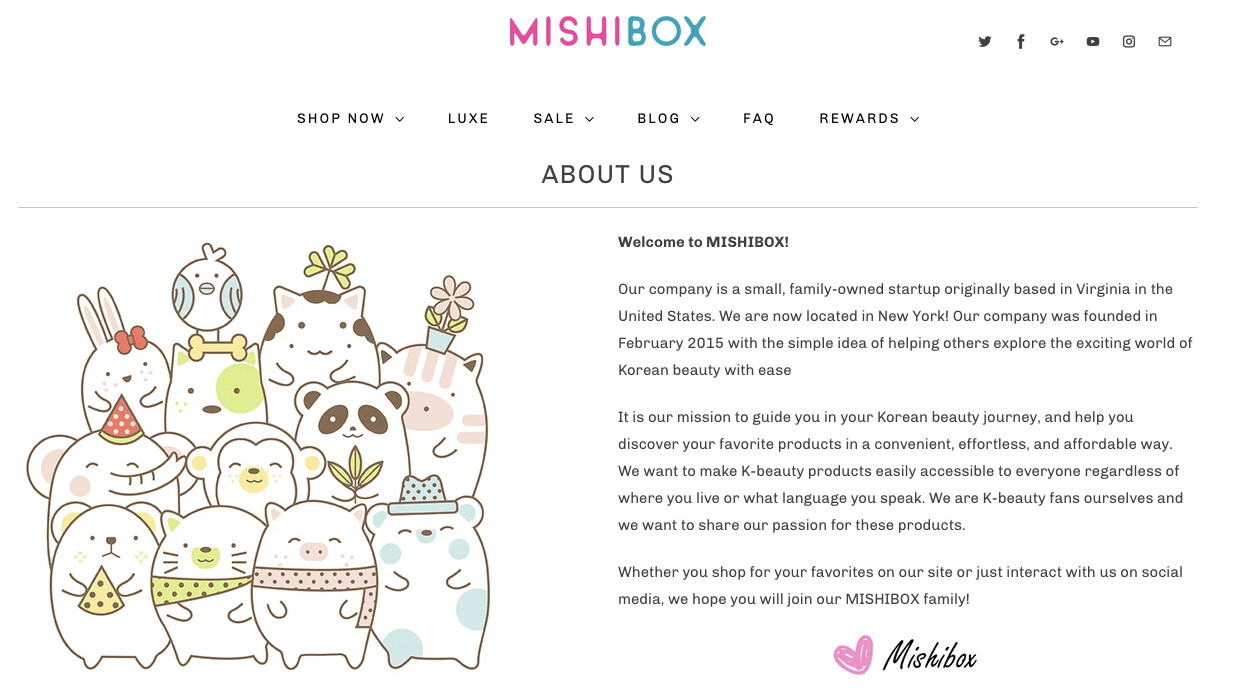
For Song, starting a home business was about seeing a gap and finding a way to fill it. This is the secret to success for many top subscription box businesses. Birchbox, for example, saw that there was no way for consumers to test multiple beauty products without spending a fortune. So it filled that gap with affordable curated boxes of smaller sample-sized products.
Ashley Reynolds bundled surplus products into subscription boxes to sell via her ecommerce site, Cloth & Paper. If you already run an ecommerce business at home, you could do the same to make use of what would otherwise be dead stock.

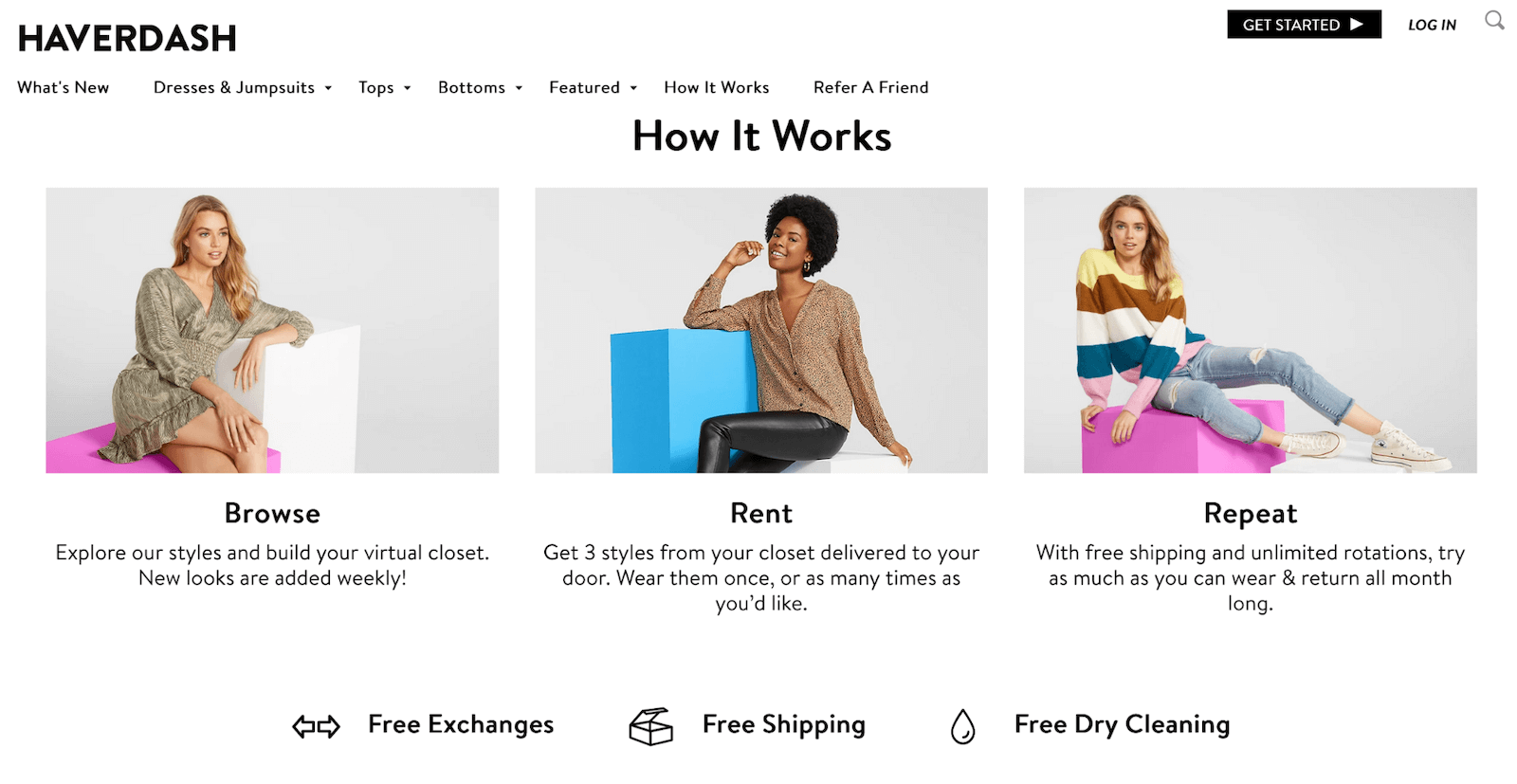
Subscription boxes don’t have to necessarily be about selling. Haverdash is a subscription box company that rents clothes. When customers are finished using the items, they send them back—and Haverdash rents them out to another customer to generate even more revenue.
Pet influencers are all over social media, promoting brands like BarkBox and inspiring thousands of likes with their cuteness. If you’ve got a pet of your own, you could turn them into a social media influencer and work with brands to promote their products online.
Bodhi the Menswear Dog—a.k.a. the most stylish dog in the world—has made a name for himself on Instagram in particular. Browse his feed and you’ll see collaborations with several brands like Booking.com, Spotify, and Poly & Bark.

No pets at home? Take care of other people’s pets. Apps like Rover opened up the sharing economy to pet sitting and dog walking. Dog hotels were a $6 billion industry in 2016. If you’re looking to make money from home, offer pet owners a place to drop off their animals while they head out of town.

As consumers become more environmentally conscious, they’re also looking for ways to adjust their shopping habits to support sustainability. The resale clothing industry is a $4 billion industry in the U.S. alone
COAL N TERRY is one successful home-based business that sells vintage finds. And while the business didn’t exactly start from a home—it was a college dorm room—it has since grown into a brand with a loyal following and celebrity fans.

You can start small with your own home-based business—sites like Poshmark and Mercari are great places to sell your unwanted clothing. You can even use Craigslist or Facebook Marketplace.
Unwanted items aren’t limited to previously used clothing. Food waste is an unwanted item that also presents a viable home-based business opportunity.
While many may think video games are a waste of time, it’s a hobby that can actually turn a profit. And there’s nothing more home-based than sitting on your couch in front of your TV.
Esports and video game streaming platforms like Twitch have opened the door for gamers to gain notoriety—and eventually money—from their talents. The esports industry alone is worth more than $1.5 billion, and a Twitch streamer can get up to 100,000 viewers at a time.
So how do you monetize this? Sponsorships is one of the best ways to start a home-based competitive gaming business. Companies will pay you to play their games and stream it to your audience.
Video gaming is even known to be a great résumé-booster. Note, though, that all of the above requires some level of gaming skill.
Here’s a unique spin: Twitch isn’t limited to just gaming anymore, and Maxx Burman and Banks Boutté used the platform to launch an online festival where they featured 12 top video game art directors. They repurposed this content for other digital channels like Instagram and YouTube. After building a loyal audience, the two launched KitBash3d, where they sell 3D assets for video games and movies.

The best home business really depends on your goals. Do you want a strong work-life balance as a stay-at-home mom, or do you want to hustle to achieve success quickly? How much capital do you have to start up? What skills are already in your arsenal that you can tap into?
A home-based business in today’s world is simply a remote-friendly business where technology can close the gap between you, your suppliers, your employees, and your customers. Altogether, this is a home business opportunity to start small, grow nimbly, and invest conservatively—especially when you can cut out the costs of renting an office.
As you would when starting any type of business, think carefully about your goals, what motivates you, and what you enjoy working on in order to create a home business that works for you.
Braveen Kumar
Braveen Kumar is part of the content team at Shopify where he develops resources to help aspiring entrepreneurs start and grow their own businesses.