x




by Jamie Redman
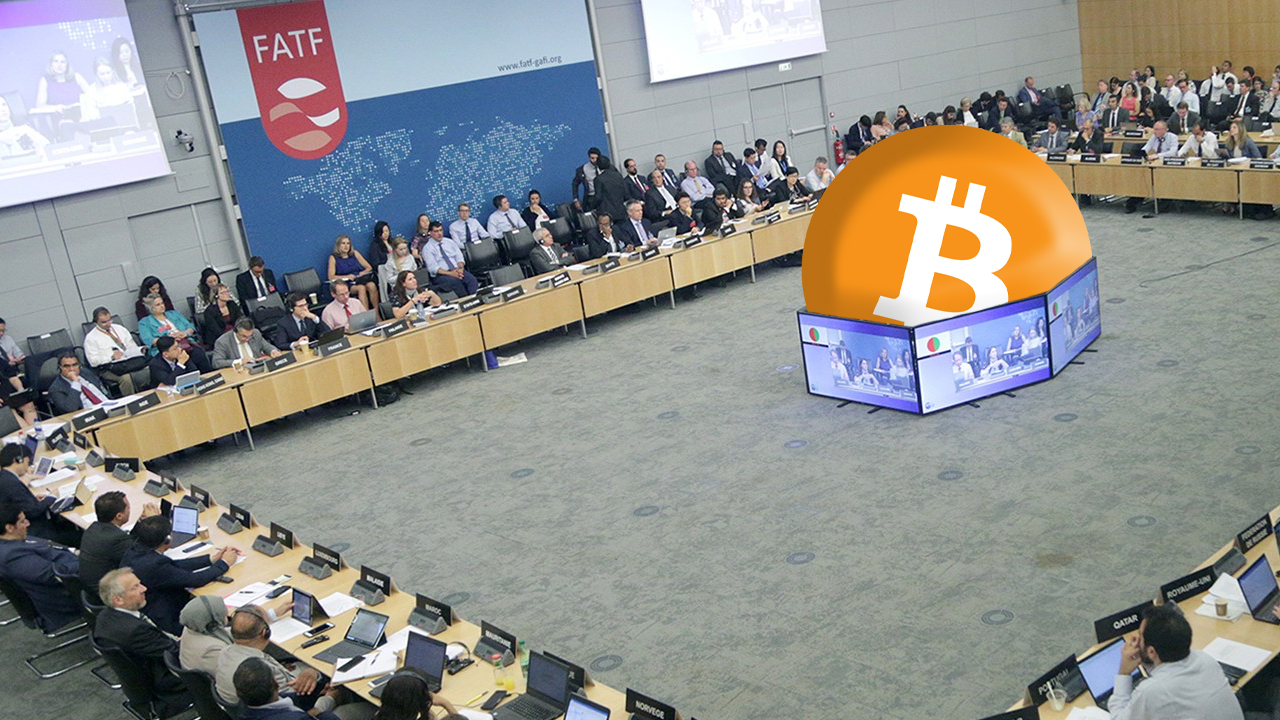
The Financial Action Task Force (FATF) has published the organization’s 12-month review and the research highlights that only 45% of the 128 reporting jurisdictions have complied with AML/CFT policy and FATF recommendations. The annual review stresses that the “lack [of] effective” regulation makes it “challenging for competent authorities to follow the transaction trail, buying more time for criminals to move criminal proceeds.”
Over the last few years, the FATF intergovernmental organization has been focused on virtual assets (VA) and virtual asset service providers (VASPs). FATF is a group dedicated to combating money laundering (ML) and terrorism financing (TF) on a global scale. Bitcoin.com News recently reported
The 12-month review
The global financial regulator has also observed the continued use of anonymity tactics applied to the cryptocurrency sector and related transactions. Following the onset of Covid-19, the FATF has “observed the increased use of virtual assets to move and conceal illicit funds. One jurisdiction reported the use of virtual assets to launder proceeds earned from selling COVID-19 medicine.” The FATF researchers believe regulating jurisdictions need to get a better grasp on the situation but instead, they are focused on “stablecoins” and “mass adoption.” One of the main trends in the cryptocurrency ML/TF risk landscape since June 2020 includes:
The continued use of tools and methods to increase the anonymity of transactions. This includes registering Internet domain names through proxies and using DNS registrars that suppress or redact the true owners of the domain names, the use of tumblers, mixers, and anonymity-enhanced cryptocurrencies or privacy coins, using decentralised exchanges and applications, chain-hopping and atomic swapping exchanges, and dusting.
The gist of the jurisdictions under increased monitoring report
Countries need to mandate that all VASPs comply with regulation and supervision or monitoring for AML/CFT, according to the report. The countries also need to make sure there are “effective, proportionate and dissuasive sanctions, whether criminal, civil or administrative” to deal with violating VASPs. “Sanctions should be applicable not only to VASPs, but also to their directors and senior management,” the report details.
The main objective highlighted in the FATF report notes the global regulator’s aims: