x




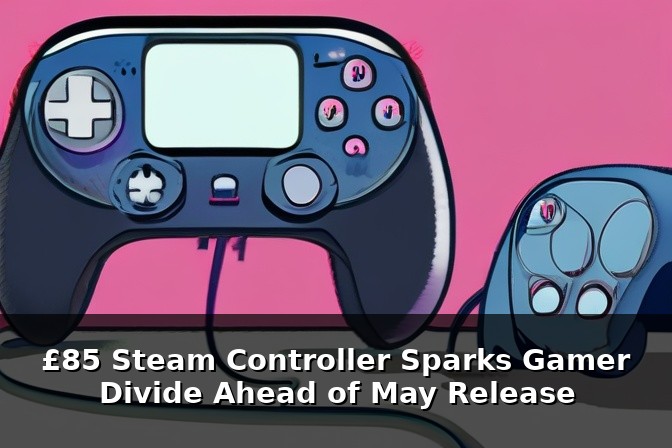
Valve is stirring up conversation in the gaming hardware space with a new Steam Controller priced at £85. The device is pitched as a universal input tool, designed to work seamlessly with PCs, Valve’s handheld Steam Deck, and the company’s upcoming gaming PC. As the May release window approaches, players, developers, and hardware enthusiasts are weighing the potential benefits against the price tag and practicality.
One of the standout promises of Valve’s new controller is its cross-device compatibility. By targeting PCs, the Steam Deck, and Valve’s future gaming PC, Valve is aiming to reduce the friction players often face when switching between setups. In practice, that could mean a single control scheme that carries across living room gaming, on-the-go play, and desktop sessions.
From a development perspective, this approach leverages Steam Input—a feature that maps controls to actions in a consistent way. For developers, the payoff is a more predictable input layer across Valve’s ecosystem, potentially lowering the workload for supporting multiple devices and enhancing the experience for players who frequently switch devices.
Details on design specifics aside from price aren’t the focus here, but the intent is clear: Valve wants a controller that feels refined in the hand and flexible in use. A blend of traditional controls with modern input surfaces and adaptive mapping could appeal to players who want precision for shooters, strategy games, and immersive sims alike. However, at £85, the controller positions itself in the premium tier of gaming accessories, where perceived value and real-world usability will be under scrutiny for both casual and serious players.
The timing is significant. If Valve succeeds in delivering a truly cohesive, cross-device gaming experience, it could nudge more players to invest in Valve’s hardware orbit. That includes potential ripple effects for the Steam Deck accessory market, as owners look for complementary peripherals that maximize latency, comfort, and control across devices.
On the flip side, skepticism is natural at this price point. Gamers will weigh whether a premium controller offers enough tangible benefits over well-established options. Third-party manufacturers, who have long filled the space with affordable, high-quality alternatives, will be watching closely. If Valve’s ecosystem proves compelling, it could spur a broader push toward feature-rich, ecosystem-centric accessories rather than device-specific ones.
Beyond the specifics of a single controller, Valve’s move hints at a broader strategy: creating a cohesive hardware-software continuum that keeps users within the Steam sphere. For developers and publishers, a streamlined input framework across devices can reduce friction and open up opportunities for cross-device campaigns, cloud saves, and synchronized progression.
For consumers and entrepreneurs tracking hardware trends, the key takeaway is the value of ecosystem thinking. A well-executed cross-platform controller can lower total cost of ownership by reducing the number of peripherals needed, while potentially increasing stickiness to a single platform with a robust, adaptable control experience.
Valve’s £85 Steam Controller arrives at a moment when the company is leaning into a unified hardware ecosystem. If the device delivers genuinely smooth cross-platform play, thoughtful ergonomics, and meaningful software support, it could carve out a durable niche among power users and Steam enthusiasts. If not, it may become another premium peripheral that struggles to justify its premium price. As May approaches, players will decide whether this controller is a smart, future-proof investment or a bold experiment in Valve’s evolving hardware play.