Note: This article presents a fictional case designed to explore the real-world risks and implications of AI-generated music fraud. It’s a cautious reminder of why platforms, artists, and policymakers are racing to implement stronger safeguards as the AI-era matures.
A fictional case study: AI music fraud and the 18-month sentence
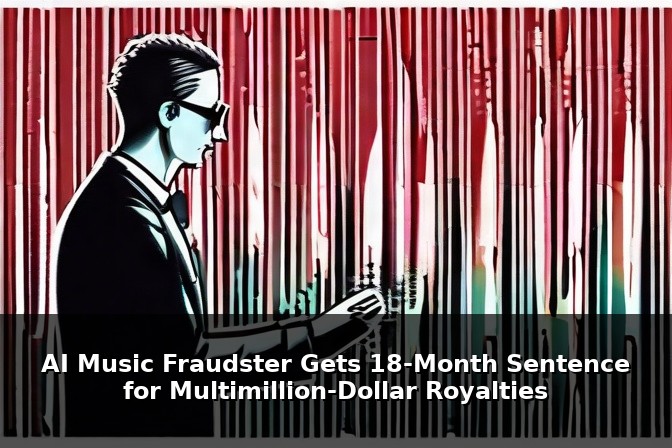
In a high-profile crime scenario, a man known as Michael Smith orchestrated a scheme that exploited music-streaming platforms. By deploying automated bots to replay his AI-generated tracks, he flooded catalogs with inflated play counts, turning a clever exploit into millions in counterfeit royalties. The outcome: a court verdict that saw him sentenced to 18 months in prison, underscoring how seriously jurisdictions are treating AI-enabled streaming fraud.
How the scheme worked
- The core idea was simple: generate music with AI, publish it across major streaming services, and then run bot networks to repeatedly stream those tracks.
- The repeated plays inflated listen metrics, confusing royalty systems that pay out per stream.
- Strategic timing and playlist manipulations helped the tracks appear in popular queues, further boosting perceived popularity and driving even more streams.
- The scale of the operation allowed for substantial earnings, with prosecutors estimating millions in illicit royalties that ultimately came from legitimate listeners who encountered the tracks in organic channels.
Economic incentives and industry impact
- Streaming economics reward volume. Each stream translates into a small payment, and when millions of bot-driven plays accumulate, the numbers look legitimate to automated auditing tools and dashboards.
- Dedicated bot networks can exploit weaknesses in tracking and attribution, especially when new AI-generated content enters the ecosystem rapidly, creating a volatile environment for fair compensation.
- For genuine artists, the distortion damages discovery, chart integrity, and trust in the platform’s ability to deliver fair royalties.
- Label and distributor ecosystems face additional pressure to implement more sophisticated fraud detection, increasing costs and complexity but preserving the integrity of the market.
Legal framework and industry response
- Cases like this highlight the growing use of AI-generated fraud in the music space and the need for robust cybercrime and intellectual property enforcement.
- Lawmakers and prosecutors are increasingly focusing on wire fraud, computer intrusion, and related statutes when bot-based music fraud crosses into deception and financial gain.
- On the platforms’ side, firms are investing in anomaly detection, network forensics, and behavior analytics to differentiate organic listening from automated manipulation.
- Judges are weighing the scale of harm, the sophistication of the operation, and the offender’s intent when determining sentences, with 18-month terms signaling a strong stance against this kind of fraud.
What this means for artists, platforms, and fans
- Artists should monitor their own track performance and be wary of sudden, unexplained spikes in plays that don’t align with organic engagement.
- Platforms are increasingly prioritizing transparency in royalties and enhancing integrity checks to prevent artificial inflation of streams.
- Fans deserve assurance that the music they discover and enjoy is supported by genuine listening behavior, not manipulated metrics.
Practical takeaways for the AI-driven music landscape
- Implement robust bot-detection: combine IP analytics, device fingerprinting, and behavioral signals to identify synthetic activity.
- Enhance content fingerprinting: tie streams to verified content IDs and AI-generated output so misattribution can be caught early.
- Strengthen governance: set clear guidelines for AI-generated music, including attribution, licensing, and transparency in royalties.
- Focus on ethical monetization: encourage creators to use AI as a tool that augments human artistry, not a shortcut for financial gain through manipulation.
- Educate the ecosystem: provide artists and rights holders with resources to recognize red flags and report suspicious activity.
Toward a fairer AI music future
The intersection of AI and music offers immense creative potential, but it also opens doors to new forms of deception. The fictional case of an AI-driven fraudster and the resulting 18-month sentence serve as a stark reminder: as technology evolves, so must our safeguards. By combining vigilant enforcement with smarter platform design and responsible AI practices, the music industry can protect artists, reward genuine creativity, and ensure that the listener’s experience remains authentic and enjoyable.
Thomas Prendergast (clone)
By his direction