AI-Generated War Songs: A New Front in Propaganda
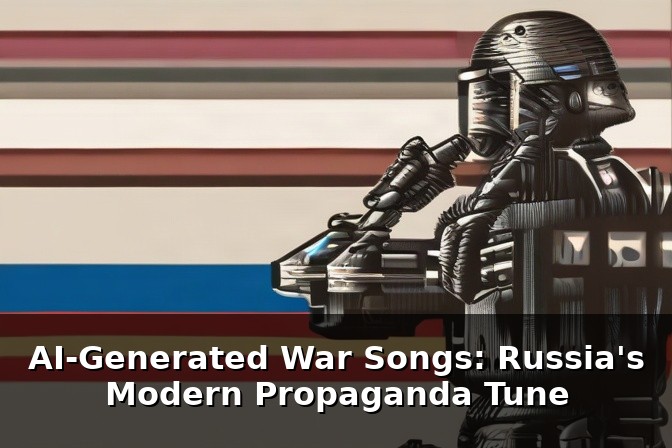
Across the digital landscape, a troubling trend is taking shape: artificial intelligence tools are producing and distributing music that glorifies conflict, with platforms headquartered in the United States serving as the loudspeakers. These AI-generated songs, crafted to evoke patriotism, nostalgia, and martial zeal, echo the rhythms of traditional propaganda while leveraging the speed and scale of modern tech. The result isn’t just a catchy tune; it’s a calculated attempt to shape how audiences perceive a live geopolitical crisis.
How AI Propaganda Music Travels
- AI makes it possible to generate dozens or hundreds of songs in a matter of hours. Melodies, lyrics, and vocal timbres can be spun up to saturate playlists and social feeds with minimal human input.
- Voice cloning and synthetic performances: Sophisticated text-to-speech and voice cloning can simulate singers or even public figures, delivering messages in familiar or emotionally resonant tones without the need for traditional recording processes.
- Algorithmic amplification: Once a track enters streaming platforms or social networks, recommendation systems can accelerate its spread, pushing similar content into millions of feeds and comments
- Formulaic patriotism: The riffs, cadences, and lyrical hooks mimic familiar patriotic tropes—heroic narratives, invocations of national destiny, and mock-epic battles—that press the audience’s emotional hot buttons.
Why This Format Is Effective
- The cost of churning out propaganda music drops dramatically with AI, allowing bad actors to flood the digital airwaves with content that looks and sounds legitimate.
- Emotional resonance through music: Music cleanses complex geopolitical messaging into memorable, shareable experiences. When combined with nationalistic imagery, it can shape perceptions before audiences encounter fact-checks or nuanced reporting.
- Ambiguity and attribution challenges: AI content can blur lines between genuine cultural production and orchestrated messaging, making it harder for listeners to discern intent or origin.
- Platform dynamics: On US-based platforms, engagement-driven algorithms reward catchy, emotionally charged content, which inadvertently normalizes and accelerates propagandistic material.
Ethics, Moderation, and the Platform Challenge
The emergence of AI-generated war songs tests the delicate balance between free expression and responsible governance. Key tensions include:
- Incitement versus expression: Content that praises violence can cross legal or platform policy lines, but enforcement varies by jurisdiction and platform.
- Detection and labeling: Distinguishing AI-generated music from human-made art is technically challenging, prompting calls for clearer labels or watermarks to aid verification.
- Cross-border information flows: Content created in one region can rapidly influence audiences worldwide, complicating accountability and civil society responses.
- Creative rights and manipulation: Using synthetic voices raises questions about consent, copyright, and the manipulation of cultural symbols for political ends.
What Audiences and Civil Society Can Do
- Listen critically for clues about origin, context, and intent. Be wary of sensational tropes that resemble official narratives yet lack verifiable provenance.
- Cross-check suspicious tracks with independent outlets or fact-checking organizations. Look for disclaimers about AI generation or sponsorship disclosures.
- Favor platforms and creators that openly label AI-generated content and that invest in detection tools and watermarking technologies.
- Push for industry-wide guidelines on AI-generated media, including watermarking, provenance tracing, and clear user reporting mechanisms.
Looking Ahead
As AI continues to blur the lines between human creativity and machine output, the music of modern propaganda may become as important a battlefield as any overt broadcast. For the audience, staying vigilant, demanding transparency, and supporting responsible platform policies will be essential to ensuring that art remains a force for cultural expression rather than a tool for manipulation.
Thomas Prendergast (clone)
By his direction