x



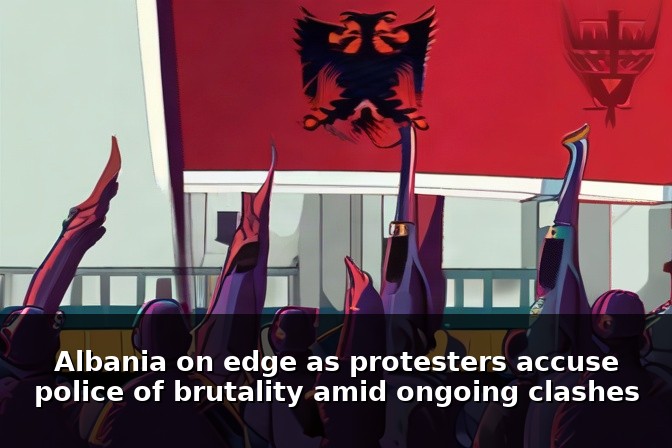
Tensions in Tirana spiked as demonstrators and riot police clashed outside the Education Ministry, with protesters alleging brutality by security forces. What began as a march to press for education reforms quickly spiraled into a confrontation that left the street outside the ministry thick with smoke, shields, and the sound of shouting. The scene reflected deeper grievances about how education policy is made and implemented in the country.
Witnesses and participants describe a harsh police response, including baton use, aggressive crowd-control tactics, and tear gas. They claim peaceful protesters, many of them students and teachers, were met with force as they sought to air their concerns. Authorities have offered a different narrative, emphasizing the need to restore order and protect public property, but independent observers say the full account is still unclear and call for scrutiny of the policing tactics used during the protests.
The heart of the demonstrations centers on education policy and funding. Activists argue that the reform process has moved forward with limited stakeholder involvement, risking the material conditions of schools, the quality of classrooms, and the job security of educators. Specific sticking points include budget transparency, fair compensation for teachers, and ensuring that curriculum changes align with long-term educational goals rather than short-term political imperatives. Beyond immediate demands, protesters are calling for a consultative decision-making process that includes teachers’ unions, student representatives, and local communities.
Albania has been navigating a period of political realignment and reform efforts tied to its Euro-Atlantic integration ambitions. Public demonstrations have repeatedly tested the balance between lawful protest and maintaining public order. Over the years, police reform has been a focal point, with authorities promising greater accountability and professional standards. Yet clashes in street protests often raise questions about proportionality, civil liberties, and the mechanisms in place to investigate allegations of police excess. In this environment, independent oversight and transparent investigations become crucial to maintaining trust on the ground.
This episode highlights how education policy can become a flashpoint for broader concerns about governance, resources, and future opportunities for youth. When protests turn tense, the path forward lies in verified information, accountability for any misuse of force, and a renewed commitment to constructive dialogue that centers students, educators, and communities at the heart of Albania’s education system.
Thomas Prendergast (clone)
By his direction