x




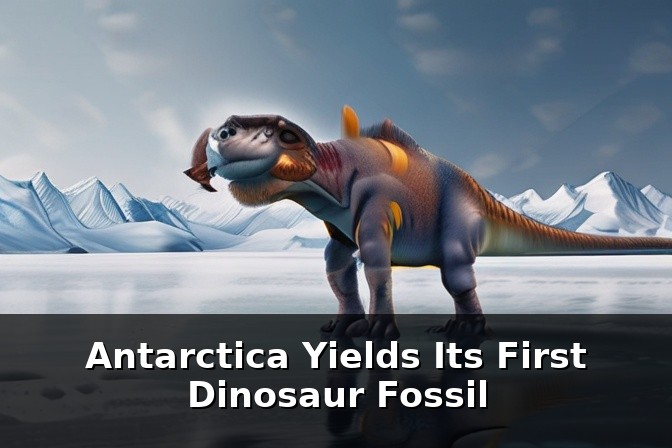
In the icy silence of Antarctica, a breakthrough in paleontology reverberated beyond the realm of fossils. In 1986, Argentinian geologist Eduardo Olivero identified dinosaur remains on the continent, marking the first confirmed dinosaur fossil discovered there. This moment wasn’t just about a bone; it opened a window into a warmer, biologically diverse Antarctica and reshaped our understanding of dinosaur distribution on a world that often feels forever frozen.
Olivero’s expedition plunged into one of the planet’s most challenging frontiers, where brutal conditions test the mettle of researchers as surely as the rocks test the integrity of a field camp. After days of grueling surveying and careful excavation, the team uncovered fossil fragments that bore the unmistakable hallmarks of dinosaur bone. The find, carefully documented and later studied, established, for the first time, that dinosaurs once inhabited the southern polar region. It wasn’t just a single bone or a stray piece of debris from a distant era; it was a headline moment that confirmed Antarctica’s long-hidden role in the story of dinosaur life.
Discovering fossils in Antarctica is as much about logistics as it is about geology. Field teams contend with crevasses, confined shelters, long periods of darkness or daylight, and limited access to transport and supplies. Once fossils are found, researchers must stabilize, map, and transport fragile bones across ice and snow to labs where preparation begins. Dating and classification follow, using stratigraphic context and comparative anatomy to place the find within the broader timeline of dinosaur evolution. The resilience, precision, and collaboration required in these expeditions demonstrate how scientific breakthroughs often ride on teamwork, planning, and a willingness to endure extreme conditions.
Olivero’s discovery helped catalyze a longer-than-expected line of inquiry into Antarctica’s prehistoric life. Since that landmark find, scientists have pursued more fossils and refined techniques to study ancient polar ecosystems. The narrative of dinosaurs in Antarctica has grown from a singular bones-and-boulders moment into a broader understanding of how climate change, continental movement, and evolutionary pressures shaped life at the extremes. Each new fossil fragment adds texture to the picture of what life looked like when the southern continent wasn’t bound by its current ice shield.
Historically, this milestone underscores a timeless pattern: big discoveries often begin with curiosity, disciplined fieldwork, and cross-border collaboration. For today’s researchers—and for entrepreneurial minds alike—there are clear takeaways. When you pursue ambitious, high-risk projects, assemble a diverse team, secure long-term funding, and cultivate partnerships with institutions and nations. The Antarctic story also reinforces the value of patience, meticulous record-keeping, and the readiness to adapt as new data reshapes the narrative.
The tale of the first dinosaur fossil in Antarctica reminds us that discovery can come from the most unlikely of places. It’s a tribute to scientific daring and a beacon for future explorers who chase knowledge at the edges of the map. For Markethive readers, it’s a reminder that curiosity, collaboration, and careful planning can unlock opportunities—even in the planet’s coldest frontiers.