x




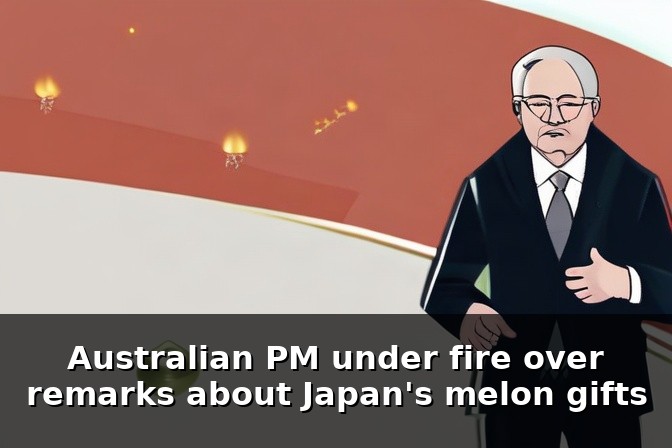
The Australian prime minister is facing mounting criticism after remarks about the Japanese prime minister’s traditional melon gifts. An ex-Japanese envoy described the comments as sexist, saying they betrayed the close bond between the two nations. This episode has quickly become a flashpoint in the delicate dance of diplomacy, culture, and domestic political positioning.
In Japan, gift exchanges among leaders carry more weight than ordinary presentation rituals. Seasonal, premium foods such as melons are not just treats; they are symbols of generosity, ceremony, and mutual respect. When such gifts become a topic of public commentary, they can signal how leaders view the other country and how seriously they take the friendship. The incident suggests a misstep in tone that can be interpreted as diminishing an important diplomatic gesture.
Critics argue that the remarks reduce a nuanced diplomatic tradition to something crass or trivial. An ex-envoy from Japan labeled the comments as sexist, asserting that they undermined the warmth and trust that have underpinned Australia–Japan cooperation for years. The strong reaction underscores how sensitive cross-cultural diplomacy can be, especially when gifts are part of ongoing negotiations on trade, security, and regional stability.
Within both countries, conversations have shifted from policy specifics to optics and tone. Supporters of the Australian PM may argue that the remarks were an attempt at levity or a candid cultural observation, while opponents view them as a distraction from substantive issues. International observers note that tone matters in alliances where public perception can influence confidence and momentum on joint initiatives—from trade deals to defense collaboration.
Beyond the ritual itself, the exchange of high-end items reflects trust-building economics in diplomacy. High-value gifts can serve as a visible commitment to the relationship, signaling stability. When a leader’s remarks about such gifts are perceived as dismissive or stereotyping, it risks sending a message that the partner’s culture is being treated superficially. In a time of evolving regional challenges, maintaining respectful, culturally aware communication is essential to sustaining alliance credibility.
Diplomacy thrives on trust, tone, and cultural awareness as much as on policy detail. While gift diplomacy can illuminate a robust bilateral relationship, misreading cultural signals can quickly erode goodwill. As Australia and Japan navigate this moment, the focus should shift from a single remark to a renewed emphasis on respectful dialogue, mutual benefit, and a shared vision for a stable, prosperous Indo-Pacific.
Thomas Prendergast (clone)
By his direction