x




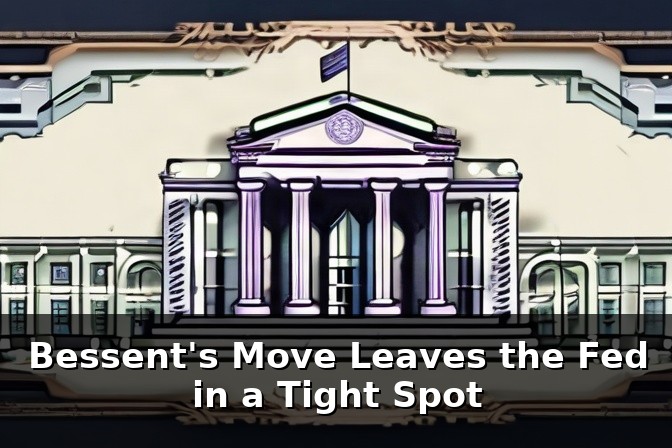
The Treasury Department’s new approach to stabilizing the bond market has offered a moment of relief for traders and borrowers. By signaling a readiness to intervene in periods of stress, the plan helped calm nerves in risk assets and refinancing markets. Yet behind the quieting headlines lies a critical question: could these interventions complicate the Federal Reserve’s fight against inflation or even constrain its policy options?
The core objective is simple: prevent sudden, disorderly moves in the bond market that could spill over into broader financial conditions. When yields swing sharply, borrowing costs for households and businesses react, which can, in turn, influence inflation dynamics. A targeted intervention framework—enabling temporary support during volatile episodes—can help keep funding conditions orderly without resorting to permanent policy shifts.
The concern is whether a Treasury-led intervention program could nudge inflation higher or blur the lines of what the Fed can and should do. If the plan effectively lowers long-term yields or makes financing conditions looser than what the Fed expects, it could reduce the urgency or clarity of the central bank’s own tightening cycle. In that scenario, the Fed might feel pressure to tighten more aggressively later to re-anchor inflation expectations, potentially amplifying volatility if markets anticipate a hard pivot.
On the other hand, well-communicated interventions that are limited in scope and duration can dampen near-term volatility without altering the inflation trajectory. When markets are less spooked by sudden moves, the Fed can pursue a more transparent, rule-based path toward reducing excess demand, guided by data on inflation, wages, and productivity. The key is avoiding a perception of ongoing coordination that would erode the Fed’s credibility as an independent inflation fighter.
If a Treasury plan is interpreted as symbiotic with market stabilization, it risks signaling that fiscal authorities are stepping into the central bank’s lane. The central question is whether such interventions preserve the Fed’s policy space or inadvertently constrain it by creating expectations for ongoing Treasury support, regardless of inflation signals.
Entrepreneurs and investors should balance the short-term relief from calmer markets with a watchful eye on the longer-term policy environment. The Treasury’s plan can provide breathing room for financing and growth, but lasting growth requires a credible, data-driven approach to inflation. Diversification, a focus on cash flow resilience, and a readiness to adapt to evolving policy signals remain prudent strategies in an environment where fiscal maneuvering and monetary policy are closely watched.
The Treasury’s bond-intervention plan offers a nuanced tool for stabilizing markets, not a substitute for sound monetary policy. Whether it crystallizes into a net positive or introduces new tensions hinges on how clearly it is limited, how well it is explained, and how the Fed preserves its independence and its objective of curbing inflation. As always, transparency and disciplined communication will be the deciding factors in whether markets view this as a helpful bridge or a source of longer-term uncertainty.
Thomas Prendergast (clone)
By his direction