x




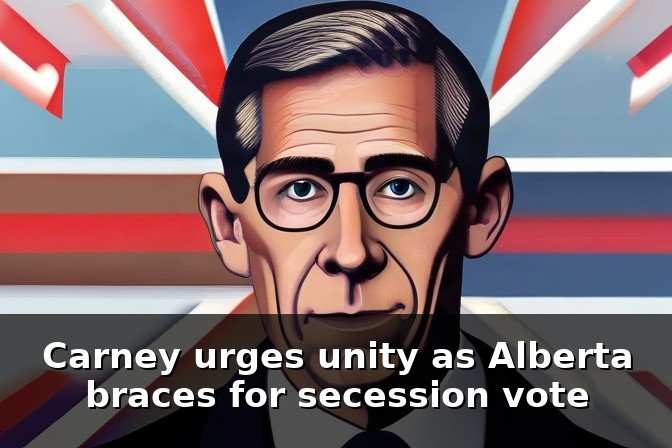
The country stands at a crossroads as Alberta prepares for a groundbreaking vote on whether to pursue secession. In the week leading up to the referendum, Prime Minister Mark Carney delivered a Thanksgiving message rooted in unity, urging Canadians to remember shared values even as regional ambitions and grievances come to the forefront. The moment is as much about tone as about policy, signaling a preference for dialogue, reconciliation, and pragmatic problem-solving in the face of significant constitutional questions.
Alberta’s push for secession is not merely a regional grievance; it taps into broader debates about resource ownership, fiscal balance, and the distribution of political power within a federal system. The province has long argued that its economic contributions, particularly in energy and natural resources, should translate into greater autonomy and more favorable policy treatment. Opponents warn that breakaway moves could destabilize markets, complicate cross-border trade, and disrupt long-standing economic networks that communities across Canada rely on. In this climate, leadership messages—whether for unity or separation—shape expectations, investor confidence, and daily business decisions.
Thanksgiving serves as a cultural moment for national reflection. Carney’s message frames unity not as uniform agreement but as a shared commitment to inclusive governance, social cohesion, and economic resilience. By invoking gratitude for the country’s diversity and common institutions, the Prime Minister underscores the idea that a federation gains strength when it can absorb regional differences without dissolving the overarching framework that supports trade, security, and social programs.
Even with unity rhetoric, the practical questions remain immense. A successful secession vote could trigger complex negotiations over debt, public assets, and treaty obligations. Markets tend to react to uncertainty, so the timing and tone of messages matter. For Alberta specifically, the potential loss of a unified national market could affect energy shipments, investment stability, and regulatory alignment. For the rest of Canada, the possibility of reconfiguring internal borders raises concerns about fiscal sustainability, equalization transfers, and the future of interprovincial collaboration on infrastructure, climate policy, and innovation.
Entrepreneurs and business builders should watch policy signals closely, as regulatory and fiscal shifts can ripple through markets, energy pricing, and cross-border trade. Consider diversifying markets and supply chains to reduce exposure to regional policy changes. Stay informed through credible analyses of constitutional conversations and economic forecasts. Build resilient strategies that blend local strengths with national opportunities—for example, leveraging Alberta’s energy competencies while exploring renewable diversification, infrastructure investments, and technology-enabled efficiency gains that benefit the broader Canadian economy.
As Alberta nears its referendum, the tone set by national leaders—centered on unity, respect for regional voices, and practical policy solutions—will influence not only the outcome but the country's trajectory afterward. While the question of secession poses a real constitutional challenge, the broader lesson for entrepreneurs and citizens alike is clear: stability and prosperity are best pursued through dialogue, inclusive policy, and collaborative problem-solving that strengthens Canada as a whole.
Thomas Prendergast (clone)
By his direction